
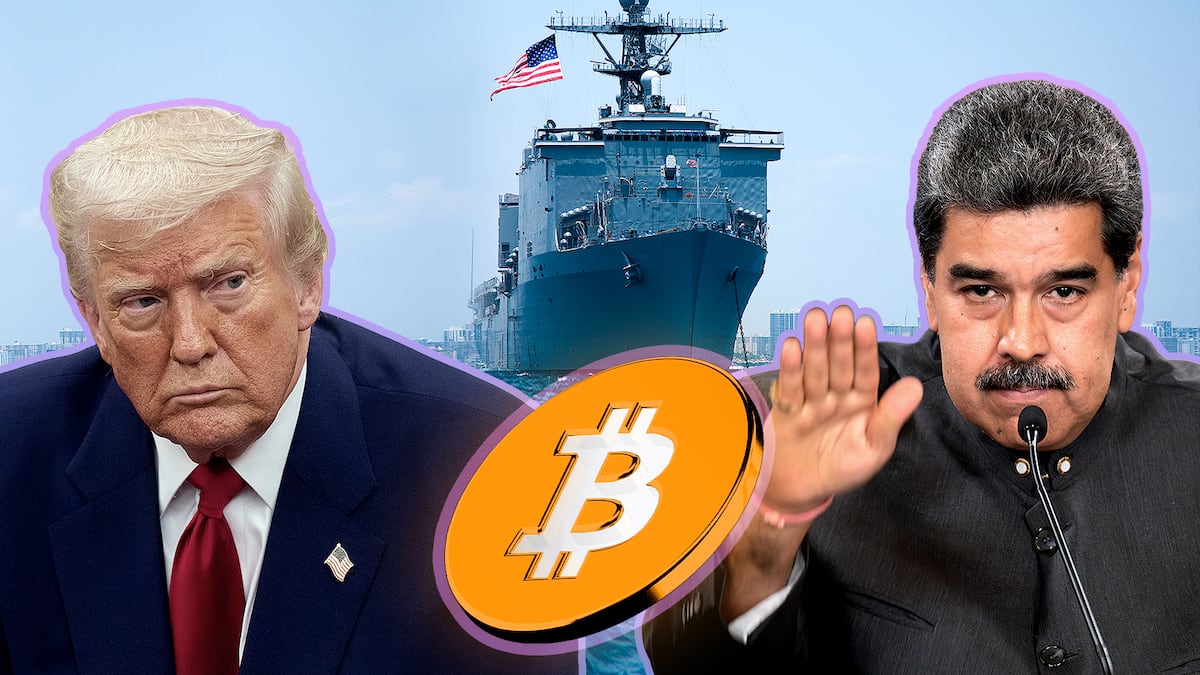
- Speculation has mounted over whether Venezuela holds a hoard of Bitcoin.
- But what’s the evidence for that?
- Here’s everything we know about Venezuelan crypto.
Since the US captured Venezuelan President Nicolás Maduro on Saturday, Crypto Twitter has been speculating if the country’s regime holds a Bitcoin stockpile and how big it is.
Venezuela has been haunted by hyperinflation for decades, which has forced its citizens to turn to digital assets and made Venezuela the 11th top country for digital-asset adoption in 2025, according to TRM Labs.
But does the country actually own a large stack of Bitcoin or is it just social media conjecture?
Here’s everything we know about Venezuela’s supposed crypto riches.
‘Not identified any such holdings’
While a much circulated newsletter by Bradley Hope’s Whale Hunting suggests that the Maduro regime sits on 600,000 Bitcoin worth billions of dollars, it is just hypothetical and not based on any hard evidence.
Blockchain forensics firms told DL News that they’ve struggled to find any Bitcoin at all held by the regime.
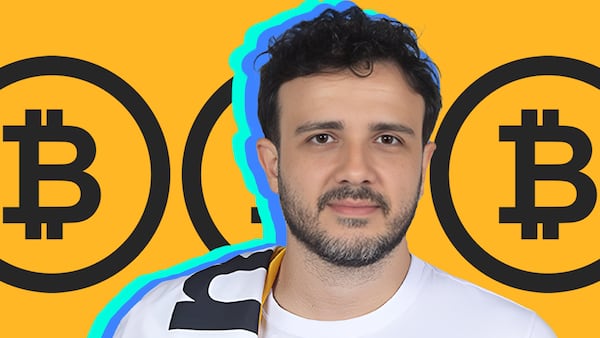
“We have not identified any such holdings at present,” Matteo Colledan, VP of business development at blockchain surveillance firm Arkham, told DL News. “We are still assessing whether any holdings exist.”
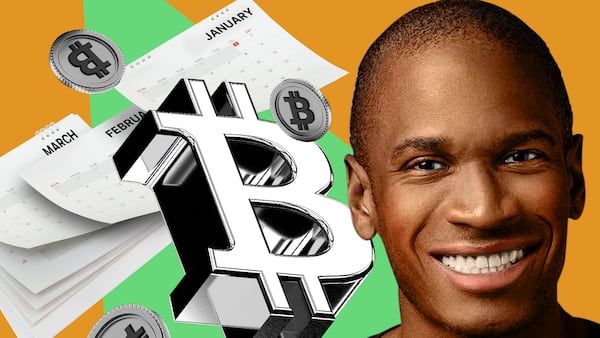
Global Head of Policy at TRM Labs, Ari Redbord, added that while the firm was looking for a centralised government stockpile, the country’s crypto exposure was more “fragmented, opportunistic, and adaptive, rather than the deliberate accumulation of a sovereign crypto reserve.”
Redbord told DL News that while they continue to investigate all credible angles, “we are not currently seeing onchain data that supports the existence of a large, centrally managed Venezuelan state Bitcoin treasury anywhere near the scale being suggested.”
Venezuela’s crypto connection
Venezuela’s ties to crypto are real, however.
In 2018, the government launched the Petro, an oil-backed digital currency that was widely criticised as a sanctions evasion tool that largely failed to gain traction.
TRM Labs said in a December report that state entities were directed to use digital-asset payment mechanisms for oil-related and cross-border transactions.
Then there’s citizen adoption. Venezuela’s hyperinflation — the country recorded a 500% inflation rate in 2025 — has driven the local population to stablecoins and Bitcoin as a hedge against the collapsing bolívar.
Bitcoin mining has also flourished due to the country’s cheap energy, although the government has cracked down on unauthorised operations and seized equipment.
Nobel peace prize winner and opposition leader Maria Corina Machado, who is hoping to lead the country, even spoke in September 2024 of how Bitcoin is a “vital means of resistance” for the Venezuelan people.
But grassroots adoption by desperate citizens scrambling for financial stability is not the same as a secret government Bitcoin treasury.
The former is well-documented. The latter remains speculation — or an enviable effort in camouflage.
“If they do have 600,000, then they are really really good at hiding it,” Frank Weert from Whale Alert told DL News.
Mathew Di Salvo is a news correspondent with DL News. Got a tip? Email atmdisalvo@dlnews.com.
Pedro Solimano is DL News’ markets correspondent. Got a tip? Email him at psolimano@dlnews.com.