


- Analysts agree falling oil prices could spur Bitcoin rally.
- Rate cuts could follow if Brent crude prices remain low, experts say.
- Few observers, however, are optimistic US-Iran ceasefire will hold.
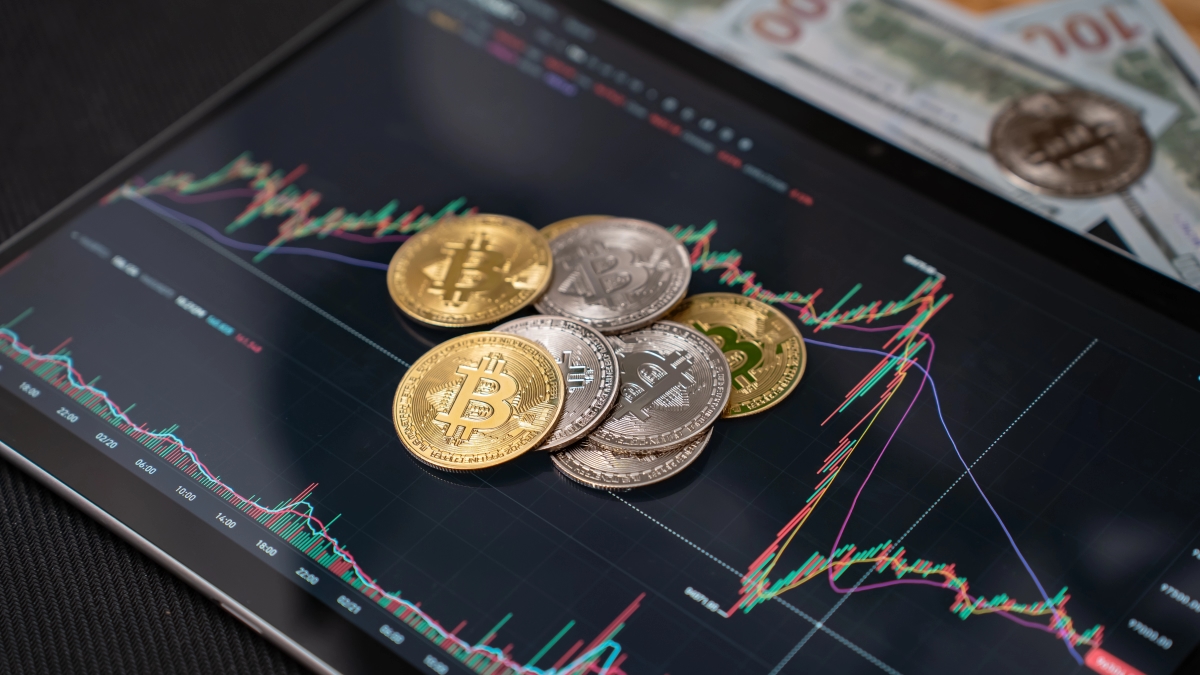
US and Iranian negotiators’ failure to strike a deal during peace talks in Pakistan this weekend could hit oil prices when markets open on Monday, but for the moment Brent crude prices remain below the $95 mark. Over the past five days, oil prices have tumbled by 14%, while Bitcoin and Ethereum rallied.
Should oil prices remain low, experts say, a chain of events could see money cascade into the crypto markets.
“Lower oil prices directly reduce global inflation expectations, easing pressure on central banks and improving the liquidity environment that crypto thrives in,” Ryan Lee, Chief Analyst at Bitget Research, told DL News. “If lower energy prices continue to anchor inflation [...], it could open the door for more dovish monetary policy later in the year, acting as a powerful catalyst for risk assets.”
While the future of the crypto markets remains decidedly in the balance due to events in the Middle East, the prospect of lower crude prices has spurred stagnant crypto markets into life, dragging Bitcoin above the $70,000 mark for the first time since late March.
Capital flow
“A drop in oil prices could lead to greater supply and [an] ease [in] inflation, which will be quite supportive for Bitcoin,” Maccel Theiss, CEO at the private equity firm Theiss Invest, told DL News. “Lower energy costs will reduce the operating expenses of miners, while softer inflation gives central banks more room to cut rates. That would create an environment that has historically benefited [...] assets like Bitcoin.”
And sustained lower oil prices would help the market transition from a “defensive posture” to a more aggressive stance “where capital can flow back into growth assets like Bitcoin and Ethereum without the overhang of energy-driven inflation fears,” Lee said.
For Bitcoin, falling oil prices are significant, particularly if they reflect market relief at the prospect of a ceasefire and the reopening of the Strait of Hormuz.
“If [oil prices are] falling because geopolitical risk is being priced out, that tends to ease inflation expectations and support liquidity. That’s generally constructive for risk assets, including Bitcoin,” Raphael Zagury, CEO of the crypto mining firm Elektron Energy, told DL News.
On thin ice
Some experts, however, say hopes of a prolonged market recovery hang by a thread.
“Markets reacted to the ceasefire as though the Strait of Hormuz problem had been solved. It has not,” Matthew Pinnock, chief operating officer at the crypto firm Altura, told DL News, “The 16% oil price collapse was driven entirely by sentiment, with not a single additional barrel reaching the market.”
“The strait remains effectively closed, the ceasefire was already disputed within hours of signing, and [Iranian officials] described ongoing smart management of Hormuz transit,” Pinnock said, “That is not the language of a country surrendering its most powerful geopolitical lever.”
Others still say oil’s influence on crypto prices may be fleeting.
“Oil should be viewed as a proxy for broader economic conditions rather than a directional driver of crypto prices,” Markus Levin, co-founder of the blockchain company XYO, told DL News.
Tim Alper is a News Correspondent at DL News. Got a tip? Email him at tdalper@dlnews.com.