
- A UK crypto law is set to be confirmed in October 2027.
- Its passing depends on whether there is parliamentary will to do so.
- The government is under pressure to establish clear regulations.
Set your diaries for October 25, 2027.
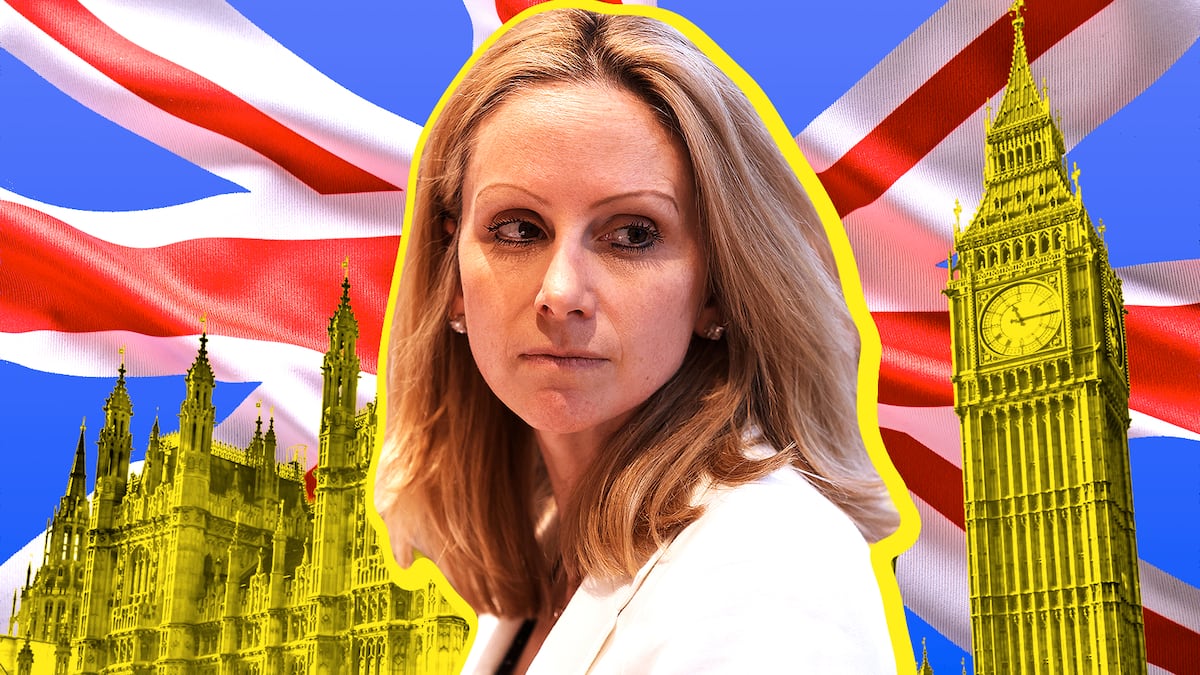
That’s when City Minister and Economic Secretary Lucy Rigby says a sweeping crypto bill will come into force in the United Kingdom, “subject to the will of Parliament.”
The Financial Services and Markets Act is making its way through Whitehall, she said in a speech at the TOK26: The London Tokenisation Summit in London on Thursday.
Like traditional institutions, crypto-asset firms will be required to be registered and regulated by the Financial Conduct Authority, the UK’s financial regulator, under the new law.
“This is a major milestone for the UK, and it’s giving [companies] the certainty that they need to grow and to invest here,” Rigby said.
“Our approach is going to deliver open and competitive markets that promote the UK as a destination of choice for digital asset businesses,” she added.
The timeline confirmation signals that Westminster is moving ahead with plans to regulate digital assets.
Other initiatives include digital asset sandboxes and consultations from both the Bank of England and the FCA.
Still, while the industry welcomes any legislative momentum, insiders urge lawmakers to step on the gas or risk falling behind countries such as the United States and the European Union, which have already approved their own laws.
“We still have time to catch up, but the clock is ticking,” Edward Vaizey, a Conservative Party member of the House of Lords, told DL News last summer.
Under pressure
Rigby’s comments come as political rivals, the crypto industry, and other jurisdictions’ legislative efforts put pressure on the Labour government to ramp up its regulatory efforts.
Britain was on the cusp of finalising crypto legislation in 2024 before former Prime Minister Rishi Sunak called for a snap election.
After Sunak’s Conservative Party lost the election, the industry had the impression that the new Prime Minister Keir Starmer’s government had downgraded digital asset policies, as it made few comments about the industry.
Reform Party leader Nigel Farage used that perceived silence to position himself as a staunch supporter of digital assets, echoing US President Donald Trump’s campaign in the run-up to the 2024 elections.
In Westminster, members of parliament reformed a bipartisan group to support digital assets, co-chaired by Vaizey and further ramping up pressure.
The industry didn’t stay silent. In 2025, industry reps bombarded Westminster with opinion columns and adverts, saying that the government needed to get crypto rules back on track or risk falling behind other jurisdictions.
‘If UK wants to be the forefront of the fintech, financial services ecosystem future, we have to move now.’
— Simon Keefe, managing director and head of digital solutions at Calastone
Government action
Over the past year, the government has shepherded several crypto initiatives. In September, it launched a transatlantic task force with the US to promote financial markets, including digital assets.
The Bank of England is also consulting with industry on proposed rules for regulating stablecoins. It aims to finalise those rules by the end of the year.
The central bank and the FCA have also opened the Digital Securities Sandbox to give firms an opportunity to explore how digital assets will operate in financial markets.
Still, industry leaders encourage the UK government to do even more.
“If we want the UK to be a leader — and I think the minister made some terrific comments earlier, — then I think we can’t just kind of push this innovation into small sandboxes,” Tom Duff Gordon, vice president of international policy at Coinbase, said during a panel at the London event on Thursday.
“We’ve got to see what the US is doing.”
Trump signed the Genius Act, a landmark stablecoin bill, into law in July. The US Senate is currently debating the Clarity Act, a sweeping markets bill.
Elsewhere, the EU is enforcing its Markets in Crypto-Asset Regulation, which has provided greater clarity for the industry.
“If UK wants to be the forefront of the fintech, financial services ecosystem future, we have to move now,” Simon Keefe, managing director and head of digital solutions at Calastone, said at the Thursday event. “We can’t be in sandboxes for the next two to five years.”
Eric Johansson is DL News’ managing editor. Got a tip? Email him at eric@dlnews.com.