- Aviva invested £50 million in a tokenized share class of its sterling liquidity fund.
- BNY and Ripple announced broader digital asset custody capabilities on October 27.
- Eligible investors retain the underlying fund’s investment objectives, risks, and regulatory protections.
Aviva’s £50 million investment in tokenized fund shares illustrates what changes when a conventional investment adds blockchain-based ownership records.
Announced on October 26, the new share class gives eligible investors access to Aviva Investors’ Sterling Liquidity Fund through digital tokens on the XRP Ledger. The £22 billion figure describes the entire underlying fund; Aviva invested £50 million in the new share class.
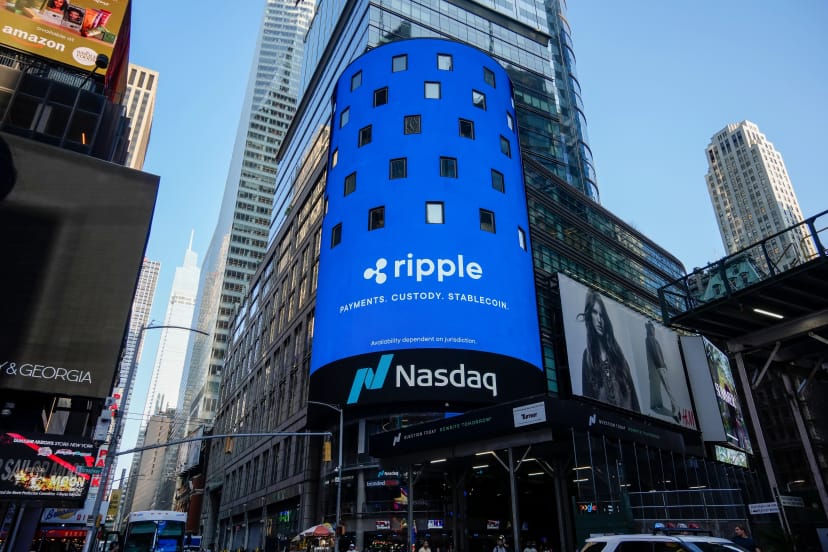
The launch sits alongside a broader expansion of institutional blockchain services. On October 27, BNY — which holds the Aviva fund’s underlying assets — and Ripple announced that BNY’s digital asset custody platform supports XRP and RLUSD. BNY also outlined plans to expand support for tokenized investment products on the XRP Ledger, subject to final BNY and regulatory approvals. The announcement did not identify any new functionality for Aviva’s fund.
What changes for investors
The migration does not affect the fund's investment objective, as the fund continues to invest in UK sterling short-term, investment-grade debt securities. The securities remain part of the regulated fund portfolio and are held by BNY Mellon. With the new structure, certain investors now have the option to hold units in the fund in digital wallets on the XRP Ledger network.
Aviva calls the product a “digital twin.” Tokens created under these arrangements represent an interest in the underlying fund. According to Aviva, tokenized fund shares have the same investment objectives, risks, and other features and protections as shares of the underlying fund.
Combined investment across Aviva’s sterling and US dollar tokenized share classes exceeds £86 million, according to the company.
Aviva has been exploring tokenization since 2024 and has accelerated its efforts as interest in tokenized products has taken off among institutional investors. Senior investment director Alastair Sewell told Financial News that Aviva Investors intends to tokenize additional funds in the future but will prioritize money-market funds in the near term.

How the tokenized shares work
The practical benefits of tokenization are operational in nature, according to Aviva. Potential benefits of tokenization include streamlined fund ownership, improved transparency, tamper-resistant recordkeeping and settlement functions and other opportunities to connect traditional investment products with new digital markets. In particular, money market funds (MMFs) are poised to benefit greatly from tokenization, according to Aviva.
Several companies are involved in this program. BNY Mellon acts as the fund's custodian and holds the underlying assets. Komainu provides regulated custodial services for digital tokens. Licuido provides a tokenization platform. Ripple is a technology partner. The XRP Ledger blockchain is where tokenized fund shares are issued and managed.
The fund is not available to all cryptocurrency wallet users. The fund is available to eligible investors and is subject to the same regulations as other Irish money market funds (MMF).

Aviva is not the first major asset manager to provide tokenized money market funds, according to a July article in Alphapoint naming other market participants, including BlackRock, Franklin Templeton, and JPMorgan. Aviva claims that its entry into the market bolsters its presence in the European tokenized-fund market and with its recent investments, it is now one of the largest tokenized MMF providers in Europe.
Have a tip? Contact Kyle Pare at kyle@dlnews.com.