


- Canary Capital files for a Pepe memecoin ETF.
- It will be the first spot ETF for the frog-themed memecoin if approved.
- There are several reasons both institutions and retail investors might want to buy it.
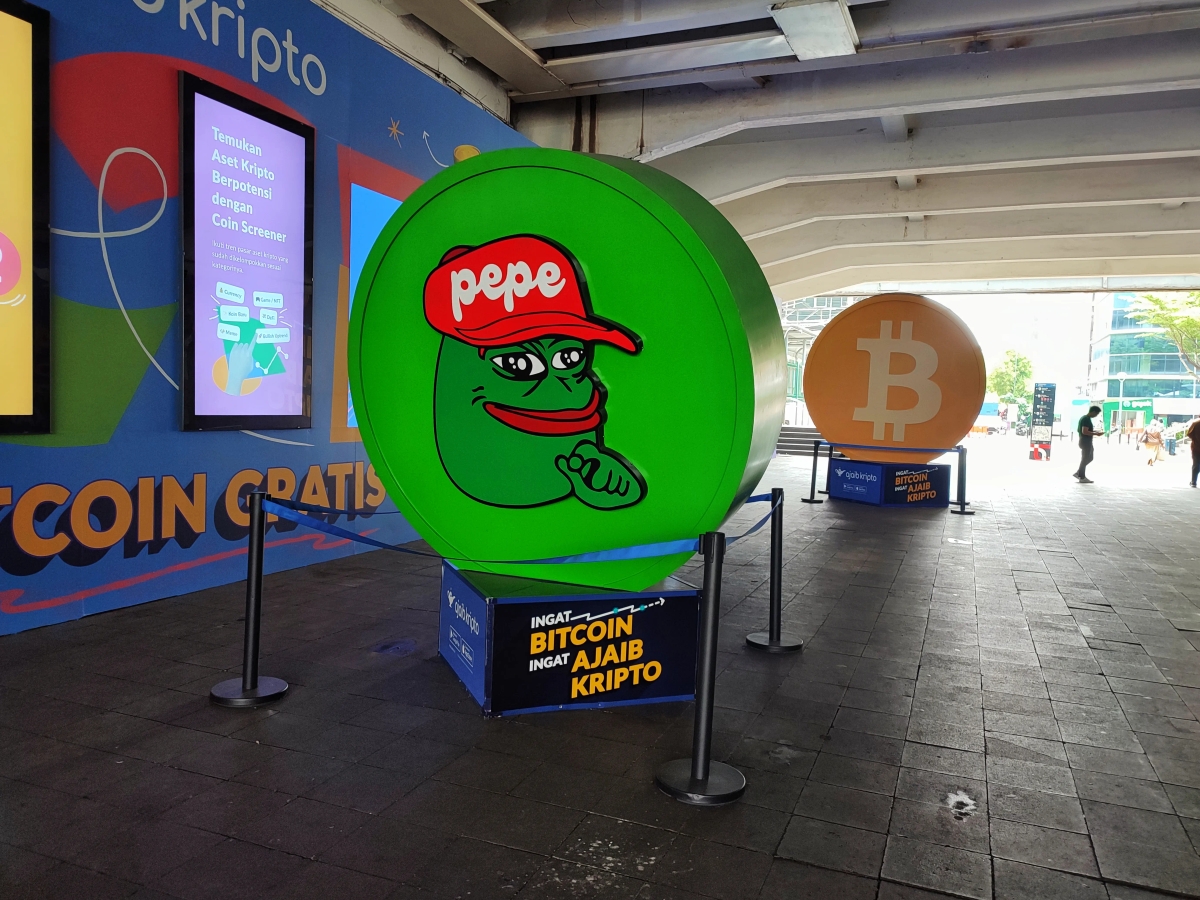
On Wednesday, Canary Capital filed with the US Securities and Exchange Commission for a Pepe memecoin exchange-traded fund, the latest in a growing list of memecoin ETF applications from the firm.
The frog-themed memecoin, based on the popular character created by Matt Furie, is obscure compared to other crypto assets to get the ETF treatment.
Yet there’s still plenty of reasons both retail investors and institutions might want to invest.
Institutional investors could use a Pepe ETF to capture crypto market volatility, rather than hold it long term, Laurens Fraussen, a research analyst at crypto data platform Kaiko, told DL News.
Since its 2023 launch, Pepe has experienced dozens of large price swings. The asset often trades in step with the broader market, but it is much more volatile than established assets like Bitcoin and Ethereum.
Canary’s Pepe memecoin filing comes amid crypto’s increasing financialisation. Since the first US spot Bitcoin ETFs were approved in January 2024, stateside issuers have fielded some 44 crypto-related ETFs, with many more still pending approval.
On Wednesday, Morgan Stanley launched its Bitcoin ETF, the first from a Wall Street bank. It drew $33 million in fresh cash during its first day trading.
If approved, Canary’s offering will become the first dedicated spot ETF for Pepe.
‘The more natural buyer’
While institutions may make use of ETFs for small, volatile assets like Pepe, they may not be the primary audience, Carlos Guzman, a research analyst at crypto market maker GSR, told DL News.
“Some hedge funds and trading firms may care once there is enough liquidity and derivatives infrastructure to support arbitrage or basis-style strategies,” Guzman said.
“But for now, the more natural buyer is a speculative investor who wants memecoin exposure through a regular brokerage account.”
Memecoins like Pepe have captivated retail investors over the years with eye-watering rallies. But investors need to buy the token through a dedicated crypto exchange or onchain on the Ethereum blockchain.
ETFs make crypto assets available to retail investors through ordinary brokerage accounts, which broadens their audience significantly, Guzman said.

Pepe’s volatility isn’t the only reason investors may want to buy it.
“Another way to look at it is that they’re seeking exposure to the IP or pop culture appeal of the meme itself,” Fraussen said. “For instance, Doge and Pepe both carry a strong cultural vibe beyond being purely crypto assets.”
Dogecoin, the shiba inu-themed joke token launched in 2013, is broadly considered to be the first memecoin. It already has four spot ETFs on the market from issuers 21Shares, REX-Osprey, Grayscale, and Bitwise.
In addition to Pepe, Canary has also filed for ETFs for President Donald Trump’s memecoin, and Mog Coin, another memecoin based on an internet joke.
Tim Craig is DL News’ Edinburgh-based DeFi Correspondent. Reach out with tips at tim@dlnews.com.