


- Trump’s administration made it easier for alternative assets to be included in 401(k)s.
- That includes crypto.
- Crypto allocations in retirement plans are likely to be small — for now.
Bitcoin and Ethereum are at the front of the line to be included in US retirement plans after the Trump administration proposed a new rule change to include alternative assets into 401(k)s, Franklin Templeton’s Robert Crossley says.
The investment firms’ head of industry advisory services told DL News that only the biggest cryptocurrencies, rather than smaller altcoins and memecoins, will likely be included in retirement plans to start.
“Most likely, this would start with the most established and liquid digital assets, and probably through regulated vehicles or professionally managed strategies rather than direct access to a wide range of tokens,” he told DL News.
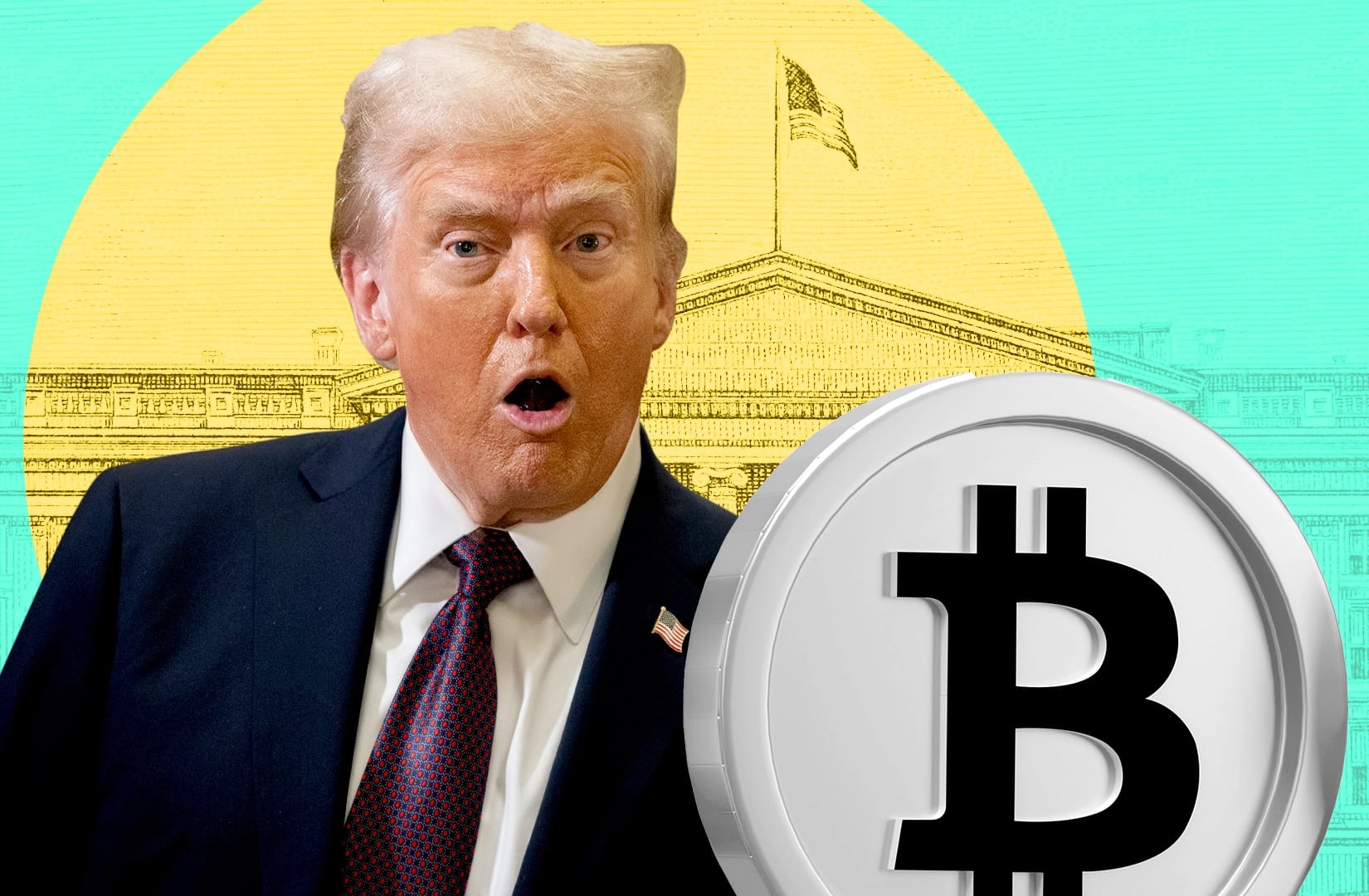
The new rule change proposal comes as crypto muscles its way into the mainstream on the back of the crypto-friendly White House pushing a number of initiatives aimed to help the digital asset industry flourish in the States.
The rule change
The US Department of Labor’s change — issued last week — will give fiduciaries more protection if they want to include private markets and crypto within 401(k)s. It follows an executive order from President Donald Trump last year.
The rule change works to protect employers who want to include alternative investments into 401(k)s. That would see not only crypto, but also private equity and real estate be included in US retirement plans. The Department of Labor opened a 60-day comment period for the rule before finalising it.
In the past, threats of class-action litigation have discouraged many employers from doing so. The new rule change would protect them from this, and allow fiduciaries to include assets previously deemed risky.
Still, not everyone is happy. Democratic Senator Elizabeth Warren, who has been a fierce critic of crypto, used the announcement to fire off another salvo against the White House.
Including such assets would expose workers’ retirement savings to too much risk, all so “Trump’s Wall Street buddies have another pile of cash to play with,” she said.
“As cracks emerge in the private credit market, private equity returns fall to 16-year lows, and crypto keeps tumbling, President Trump has decided now is the time to stick all of these risky assets into Americans’ 401(k)s,” Warren said in a statement.
$Pepe in my portfolio?
It isn’t clear yet which cryptocurrencies will be included, but don’t count on memecoins or anything risky yet.
Crossley said the exposure would likely be of institutional-quality that fits inside a long-term investment framework — think single-figure percentage investments in the Bitcoin or Ethereum exchange-traded funds.
“[Small allocations are] exactly how you would want the market to approach it with a focus on mitigating risk in favor of long-term returns,” he said.
“The early approach will almost certainly be measured and conservative, in accordance with an investor’s risk profile and time horizon, which is a key factor in the retirement context.”
The world’s biggest asset manager, BlackRock, praised the proposal. Despite debuting massively popular Bitcoin and Ethereum ETFs, the Wall Street titan has in the past advised clients to allocate modest positions — of 1%-2% — of crypto to their investment portfolios.
What about tokenisation?
With newer assets comes new infrastructure, said Crossley. And that includes the biggest buzzword in the crypto space right now: tokenisation.
“Tokenisation and programmable assets can make a big difference here by reducing friction, cutting down on manual processes, and making portfolios easier to manage over time,” he said.
“Wallet-based models can also create more flexibility around ownership and movement. That kind of modernisation is what turns this from a niche idea into something that can actually operate at scale.”
Crypto infrastructure is being snapped up by the traditional finance space in the form of tokenising assets, with everyone from JP Morgan and the New York Stock Exchange incorporating it into their products.
Mathew Di Salvo is a news correspondent with DL News. Got a tip? Email at mdisalvo@dlnews.com.