
- Memecoin’s founder says he has earned nothing from Sanae Token.
- Market cap rose to $28 million in early March.
- Regulators conducting “voluntary interviews” with token operators.
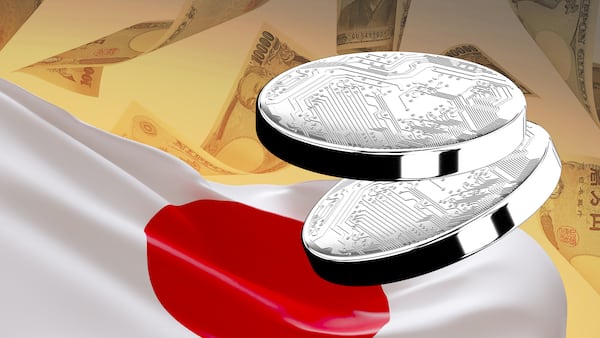
Japan’s top financial regulator could launch an official investigation into the Solana-based memecoin Sanae Token, which is named after Prime Minister Sanae Takaichi.
The coin was launched by NoBorder, a video production team and decentralised autonomous organisation run by the Japanese businessman and YouTuber Yuji Mizoguchi, in late February. It currently has a market cap of almost $8 million, per Dextools data. The token’s price has surged several times since its launch, with prices fluctuating rapidly at the time of writing.
But anonymous sources at the Financial Services Agency say Mizoguchi’s NoBorder team did not have a crypto exchange operating permit as of the end of January, with “no subsequent applications lodged,” Japanese news agency Kyodo News reported.”
The FSA has already begun “voluntary interviews with the companies involved,” sources told Kyodo.
Politician-themed memecoins have previously drawn criticism in the US. Investors accused former New York Mayor Eric Adams of orchestrating a “rug pull” following the issuance of the NYC Token, while President Donald Trump’s memecoin has plummeted in value by 94% since hitting an all-time high on April 19, 2025.
PM issues warning
Controversy erupted in early March when Sanae Token’s value rocketed 260% on decentralised exchanges, reaching a market cap of almost $28 million.
This prompted Takaichi to make a public statement on X on March 2.
“I have absolutely no knowledge of [this token], and my office has not been informed about the nature of this token,” she said. “The government has not given its approval to this project.”
On its website, NoBorder claims Sanae Token is “a participation token, not a speculative cryptocurrency.”
NoBorder says that it is a political movement that supports Takaichi’s policies, and that its token allows DAO members to voice their opinions, which will then be “delivered” to Takaichi and her government.
“We have not received a single yen in revenue from this [project],” Takaichi wrote on X on March 3.
However, the FSA has identified potential legal violations. Sanae Token is currently tradable on decentralised Solana exchanges like Raydium, Japanese media outlet New Economy reported.
The fact that the coin can be exchanged on Raydium for other cryptocurrencies and transferred between unspecified parties means it could be considered a cryptocurrency under the terms of the Payment Services Act.
If the FSA can establish that NoBorder has allowed Japanese residents to buy, sell, or exchange cryptocurrencies, the DAO could be found to have violated the country’s crypto exchange laws, New Economy wrote.
The FSA also says it has never given its approval for Sanae Token trading on Japanese exchanges. Japanese law stipulates that the FSA has a veto over token listings, and stipulates that a self-governing panel of exchanges must approve coins before they can be offered for sale in Japan.
Takaichi won a landslide victory in snap elections she called earlier this year. She has pledged to carry out sweeping economic reforms to reverse decades of economic stagnation.
Tim Alper is a News Correspondent at DL News. Got a tip? Email him at tdalper@dlnews.com.