


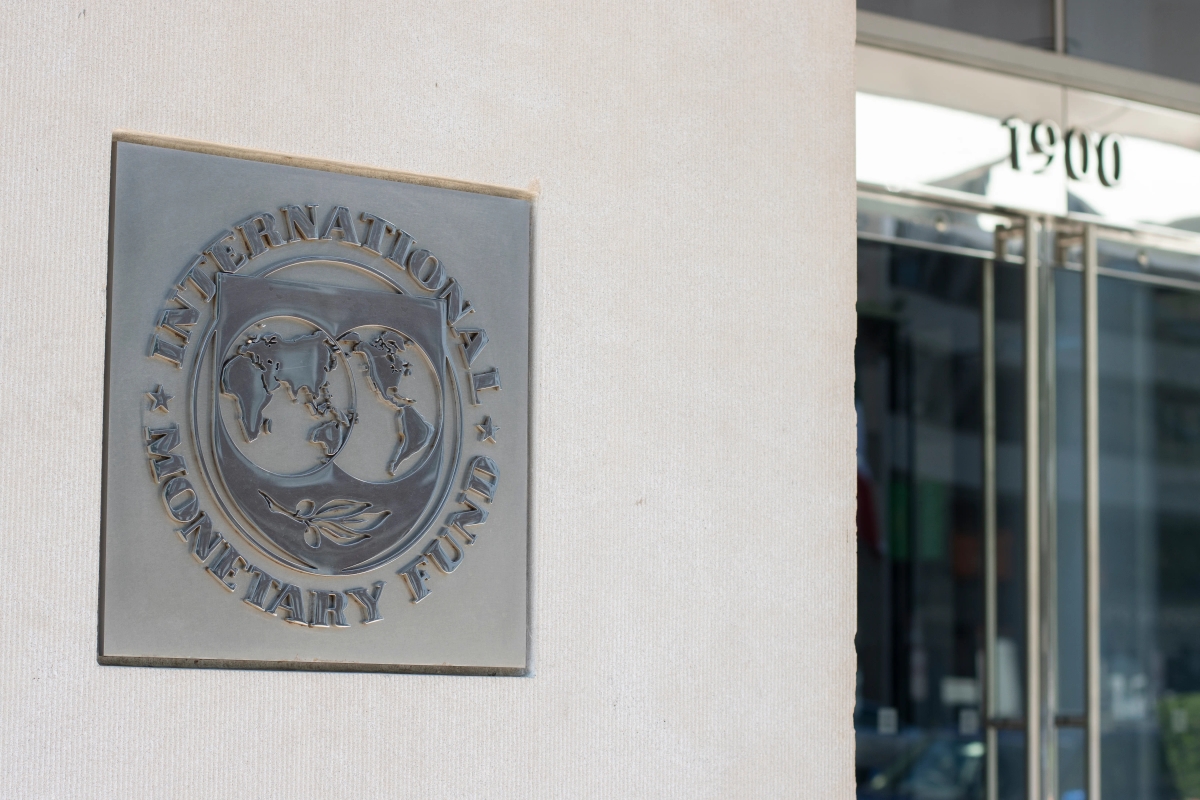
- The IMF has warned that the tokenisation of finance must have proper oversight.
- Speeding things up is not always a good thing, the IMF argues in a report.
- Wall Street is rushing to tokenise assets.
Tokenisation is one of the hottest topics in the digital asset space right now, with the likes of BlackRock and JP Morgan to the New York Stock Exchange and Robinhood all betting on the trend.
But just how safe is it? The International Monetary Fund said in a report this week that while it may make things more efficient, without clear policy frameworks, tokenisation “risks amplifying financial instability.”
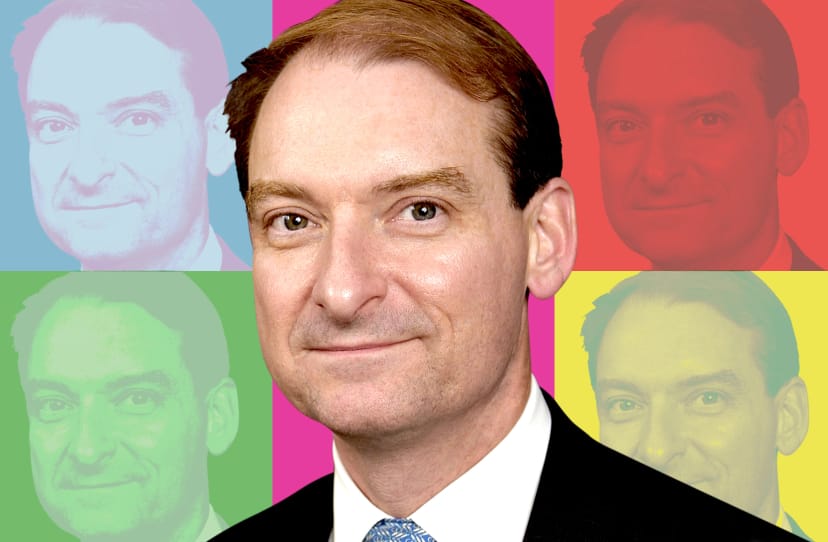
“The net effect of tokenization on financial stability is uncertain,” the report by the IMF’s Tobias Adrian read.
“Atomic settlement and enhanced transparency reduce some traditional risks, but speed and automation introduce new ones.”
The warning comes as major Wall Street players rush into the tokenisation of everything from stocks to private credit.
Stress events
The report argued that while tokenisation could speed things up for the traditional finance industry, the pace in which problems unfold when tokenisation is more commonplace is an issue.
“Stress events in tokenized markets are likely to unfold faster than in traditional systems, leaving less time for discretionary intervention,” it read.
Proponents of tokenisation have argued that putting assets on blockchain rails will speed things up. But the IMF report said that slower settlement actually serves an important role, giving authorities time to step in when there’s a crisis.
The report also argues that using a single shared permissioned ledger could have its disadvantages, too: If it fails, it could “disrupt the entire market.”
Wall Street bigwigs have argued that permissioned ledgers — as opposed to permissionless ones like Ethereum’s — could reduce costs and provide more accountability.
Who’s in on tokenisation?
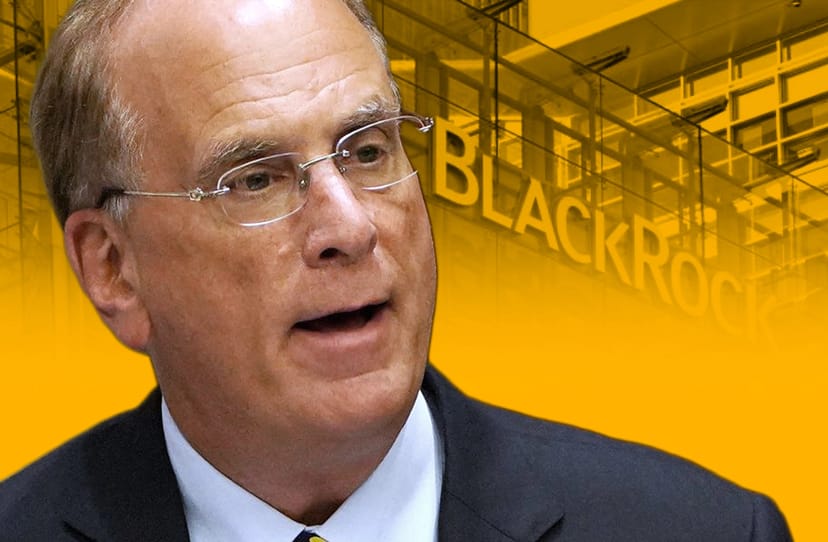
BlackRock CEO Larry Fink has for years said that the tokenisation of all assets is the “next generation for markets.”
Fink first commented on the trend after the asset manager’s hugely successful Bitcoin and Ethereum exchange-traded funds started trading.

Now, Wall Street bigwigs are arguing that round-the-clock trading is the future with tokenised stocks a good starting point.
In January, the New York Stock Exchange said it was building a platform allowing traders to buy and sell tokenised versions of US-listed equities and exchange-traded funds and settle those trades on the blockchain, 24/7.
Crypto asset manager Grayscale has said that by 2030, the tokenisation of assets will hit a market value of $35 trillion.
Mathew Di Salvo is a news correspondent with DL News. Got a tip? Email at mdisalvo@dlnews.com.