


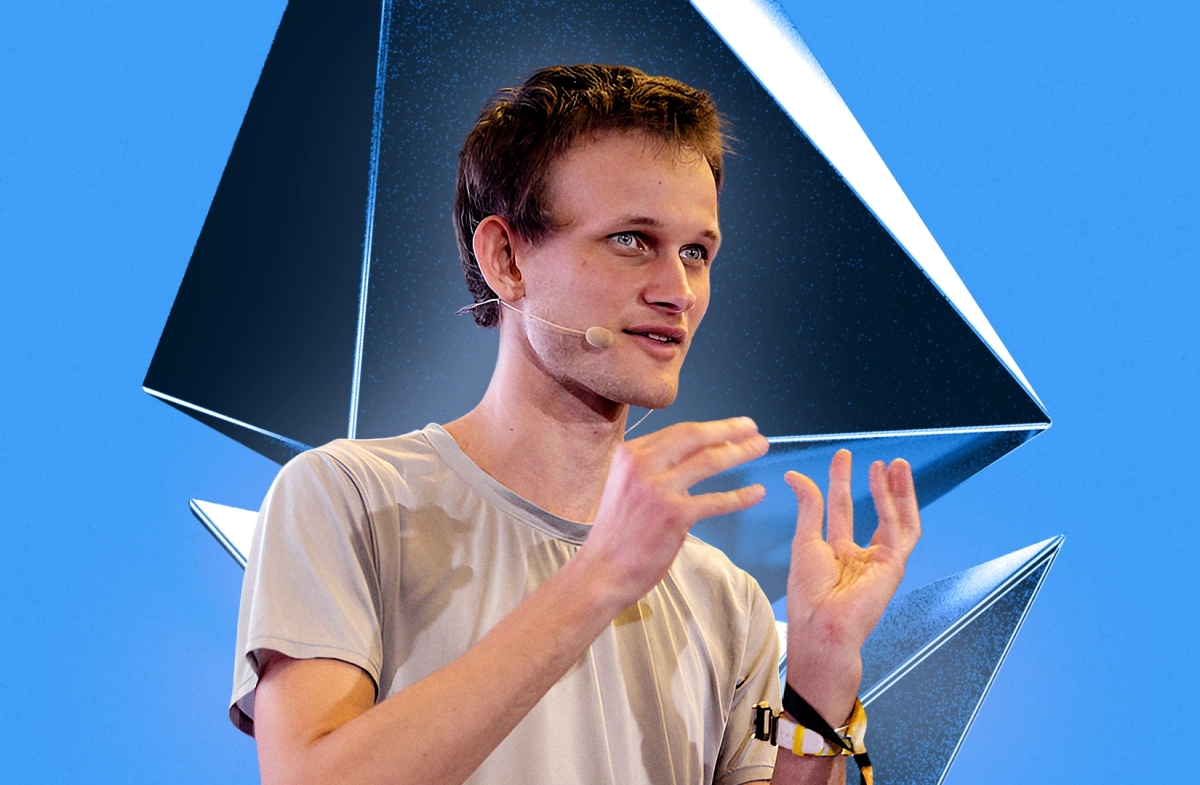
- Ethereum has solved the blockchain trilemma, according to Vitalik Buterin.
- He cites two advancements: the steady progress of zero-knowledge virtual machines and the December Fusaka upgrade, which introduced peer data availability sampling.
- But it will take years to take advantage of these developments, Buterin added.
Ethereum is becoming a “fundamentally new” decentralised network due to two recent technical advances, according to co-founder Vitalik Buterin.
The upshot? It has solved the notorious blockchain trilemma, Buterin argued.
“The trilemma has been solved — not on paper, but with live running code,” he wrote on X on Saturday.
The trilemma is a purported constraint on blockchain technology that states a blockchain must sacrifice one of three key features: decentralisation, scalability, or safety.
One advancement cited in Buterin’s post was Ethereum’s recent upgrade, codenamed Fusaka, which introduced a concept known as peer data availability sampling, or PeerDAS. That allows for a substantial increase in the amount of data that layer 2 blockchains can send to Ethereum.
The other was the slow improvement of zero-knowledge virtual machines, which dramatically slash the cost of validating blocks of transactions on Ethereum.
“This was a 10-year journey,” Buterin wrote, “but it’s finally here.”
Fusaka and zkVMs
Layer 2s send packets of data known as blobs to Ethereum for settlement. Fusaka’s introduction of PeerDAS allows individual nodes to store a fraction of blob data without compromising their ability to verify the entirety of that data.
With the upgrade, Ethereum’s blob capacity jumped eightfold, though increases will be implemented slowly in a series of smaller upgrades.
Last month, Buterin argued PeerDAS could eventually make it cheaper to transact on Ethereum itself.
“We think of blobs as being for L2s,” he said on a livestream celebrating the upgrade. “In the long term, we want to dump L1 data into blobs as well.”
Zero-knowledge virtual machines, meanwhile, provide a more efficient alternative to Ethereum’s current mechanism for verifying proposed blocks.
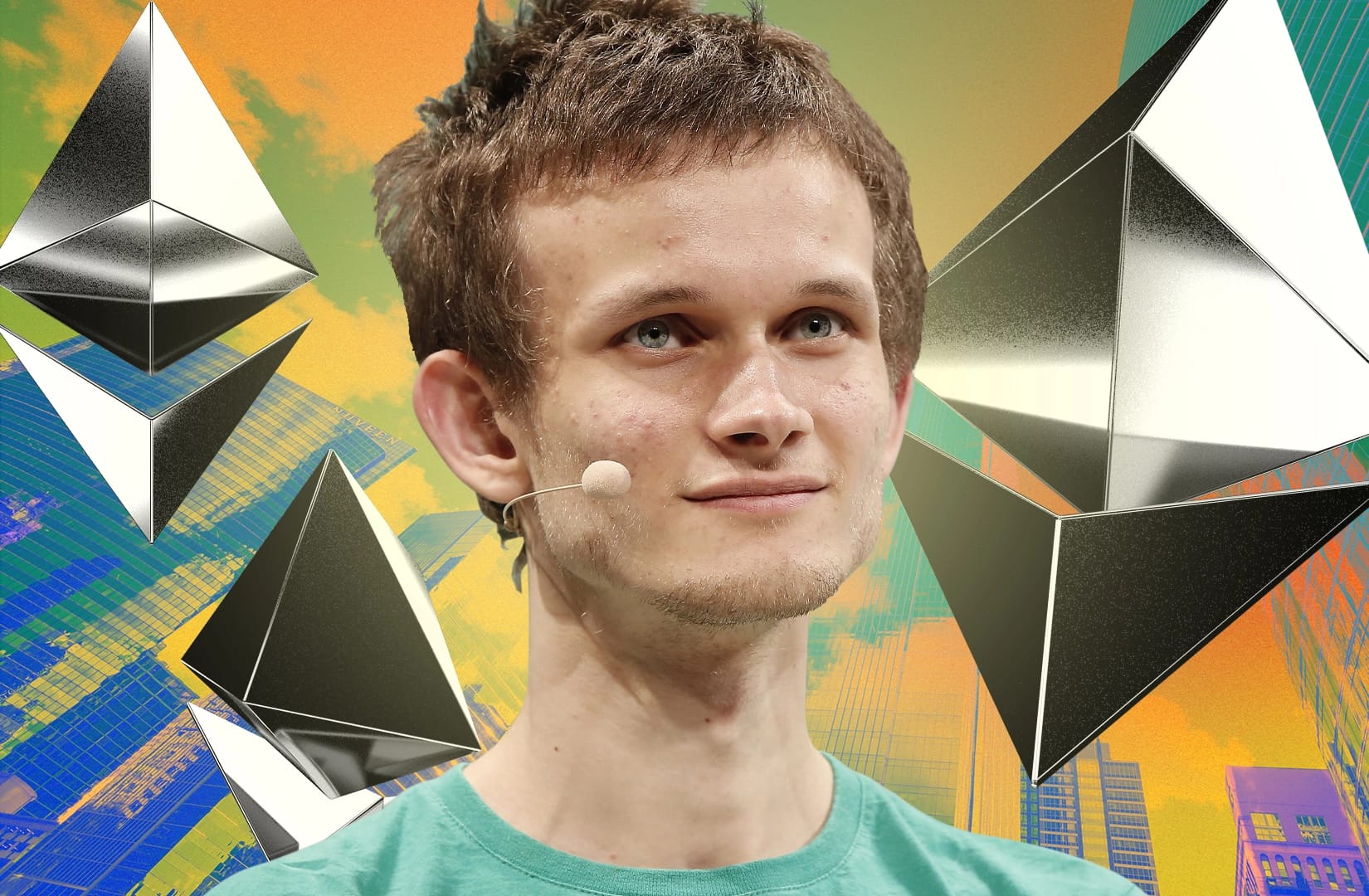
Currently, each validator must re-execute every proposed transaction in a block to confirm those transactions are valid. Zero-knowledge technology allows a single participant to generate a proof that shows the entire batch is correct.
This dramatically lowers validators’ computational demands, allowing Ethereum developers to increase the number — or complexity — of transactions that can be included in a block without pushing out smaller participants who cannot afford top-of-the-line hardware.
According to Buterin, zero-knowledge virtual machines for Ethereum are at “production-quality performance,” and “remaining work is safety.”
That said, full realization of these improvements is years away, according to Buterin.
Upcoming network upgrades, which include features like block-level access lists and enshrined proposer-builder separation, will make it easier to operate nodes running zero-knowledge virtual machines.
By 2030, that will become the primary way to validate blocks on Ethereum, Buterin wrote.
Aleks Gilbert is DL News’ New York-based DeFi correspondent. You can contact him at aleks@dlnews.com.