


- Ethereum's thought leaders have turned on layer 2s like Arbitrum.
- They're now focused on scaling the Ethereum mainnet.
- Co-founder of Arbitrum creator Offchain Labs explains why he still sees a bright future ahead.
It’s getting tough out there for Ethereum's many layer 2 networks.
In recent months, they’ve faced capital outflows, criticism from an Ethereum co-founder, and pressure from breakthroughs that make it more viable for the main Ethereum network to bump up its throughput, throwing into question their role in scaling the $263 billion network.
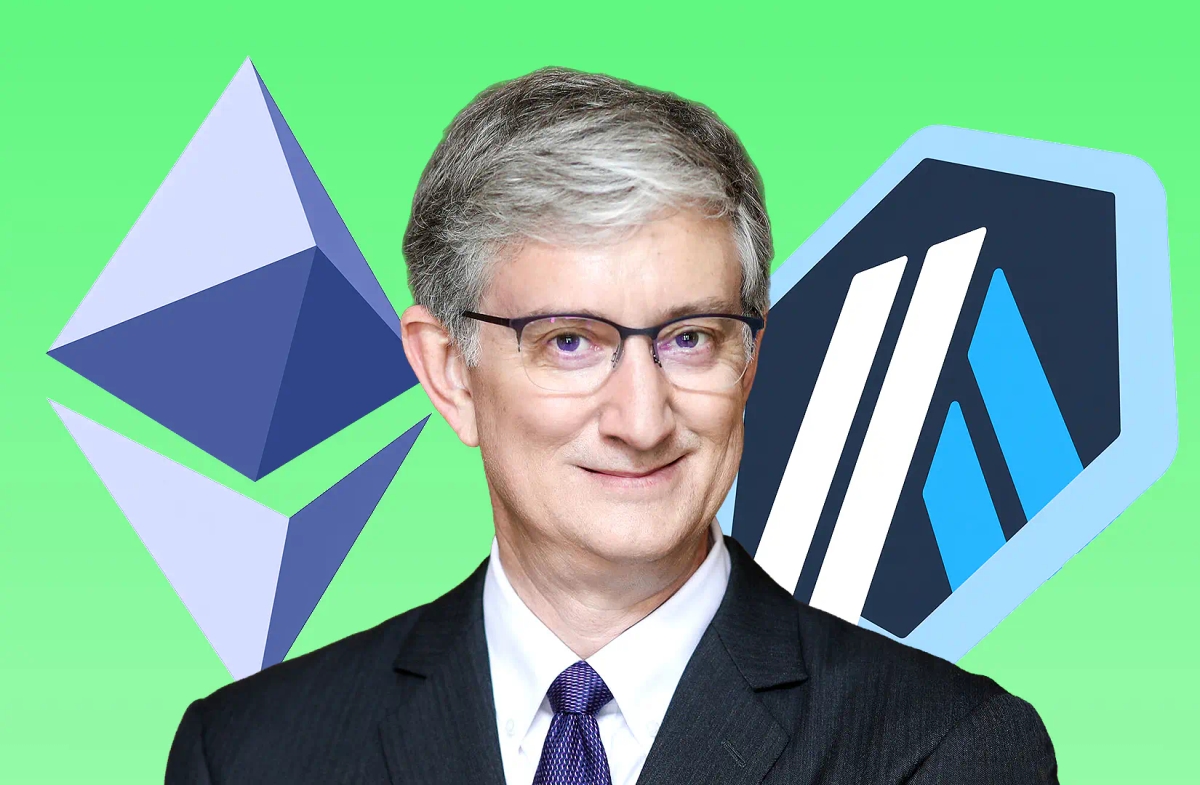
Yet Ed Felten, chief scientist and co-founder of Arbitrum creator Offchain Labs, says he isn’t concerned that Ethereum’s recommitment to scaling its mainnet will leave layer 2s without a reason to exist.
“What Ethereum provides is both very powerful and very expensive,” Felten told DL News in an interview at EthCC in Cannes.
Ethereum, Felten said, can provide strong security and decentralisation through its vast network of validators. But it is incredibly expensive to run, and limits how performant the network can be.
“Layer 2s can fundamentally have a much faster response time, lower block time, as well as more throughput because they don’t carry that burden,” he said. “At layer 2 you can do things in the design a layer 1 couldn’t hope to do.”
The shakeup comes as Ethereum — and the crypto industry at large — undergoes an identity crisis.
On the one side, are the cypherpunks, the privacy-loving industry trailblazers who want to use the power of cryptography to decentralised finance, cut out middlemen and empower users.
On the other hand, pragmatists — Offchain Labs included — have, in part, compromised on the ideals baked into the technology by the former group in a bid to attract more users and draw in institutional capital.
‘No longer makes sense’
For the longest time, the plan among Ethereum’s top developers was to rely on layer 2s to handle the majority transactions.
The main Ethereum blockchain has historically been very expensive to use. Layer 2s were created to address that issue. They rely on Ethereum for its security instead of having to do it themselves, meaning they can offer much higher throughput and cheaper transactions, allowing them to scale to more users and use cases.
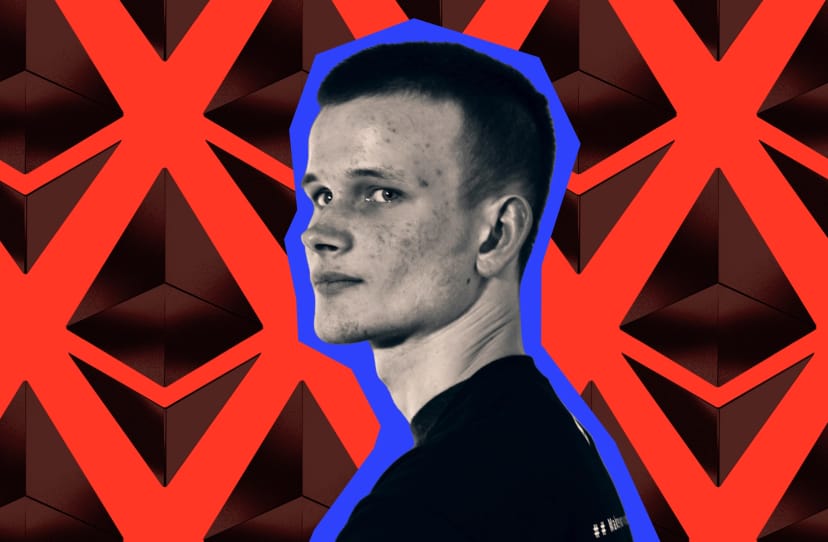
But as new technologies allow the Ethereum mainnet to scale, this dynamic doesn't make sense anymore, according to Vitalik Buterin, an Ethereum co-founder and key thought leader for the blockchain.

“L1 itself is scaling,” Buterin said in February. “The original vision of layer 2s and their role in Ethereum no longer makes sense, and we need a new path.”
What’s more, many layer 2s, Buterin said, are not able or willing to properly decentralise in line with Ethereum’s cypherpunk vision. It’s not just for technical reasons, either. Some don’t want to decentralise because their customers' regulatory needs require them to have ultimate control, he said.
To be sure, Arbitrum has gone further than other layer 2s in its pursuit of decentralisation. Yet its security council, a 12-member elected group who manage emergency security threats and urgent upgrades, still retains some control over the network.
New techniques
For Ethereum, there are two recent developments that make scaling the main network more viable.
The first is zero-knowledge virtual machines, or ZKVMs, which dramatically slash the cost of validating blocks of transactions on Ethereum.
The second is ongoing increases to the blockchain’s gas limit. By allowing more gas to be consumed per block, validators can include more transactions, easing congestion and making the network more efficient.
While these features are powerful, it’s not just the mainnet that can make use of them, Felten said. The same techniques that Ethereum is using to scale can also be used by Arbitrum and other layer 2s to help them stay competitive.
Furthermore, Layer 2s are potentially able to scale more aggressively because they are more centralised, allowing them to integrate new techniques faster.
As enterprises look to integrate blockchains into their systems, they are increasingly building layer 2s or deploying on existing layer 2s because the cost, scale, blockspace quality and security trade-offs look more and more attractive to them, Felten said.
Yet despite everything layer 2s have going for them, the road so far has been tough.
After four years, Arbitrum has amassed around $3 billion in deposits to DeFi protocols on the network. Last year, it was leapfrogged in deposits by the newly-launched Plasma blockchain.
Conversely, Ethereum is still by far the dominant blockchain for onchain finance, with $76 billion in DeFi deposits.
Still, Felten isn’t deterred.
“It’s possible for both layers to thrive together,” he said.
Tim Craig is DL News’ Edinburgh-based DeFi Correspondent. Reach out with tips at tim@dlnews.com.