
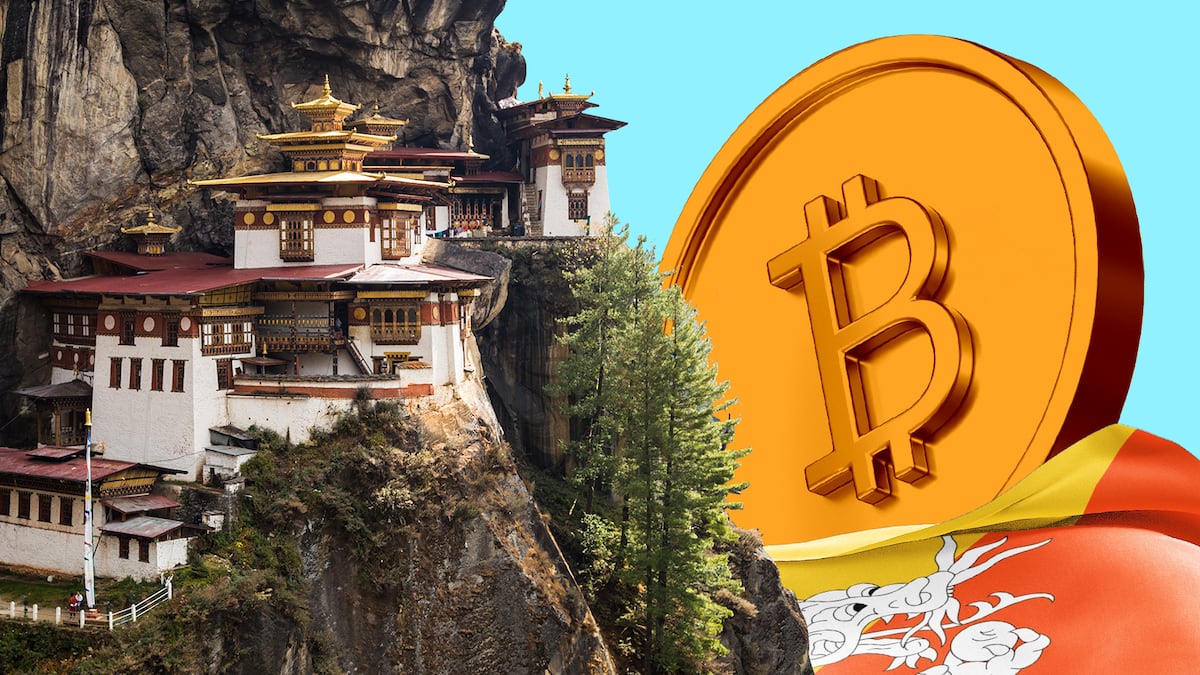
- Bhutan will use 10,000 Bitcoins to fund a special administrative region called the Gelephu Mindfulness City.
- Bhutan has been buying Bitcoin for years.
- The Asian country’s plans sound similar to El Salvador’s “Bitcoin City” project.
Back in 2021, El Salvador announced plans for a “Bitcoin City.”
Now, the Himalayan Kingdom of Bhutan wants to do something similar: Use its giant cryptocurrency stash to fund a “mindfulness city.”
The country’s government said it would use 10,000 Bitcoins — over $885 million in digital coins today — to fund the development of its Gelephu Mindfulness City.
“As a Special Administrative Region, GMC is being developed to provide regulatory clarity, modern financial connectivity, and a long-term, values-led environment for collaboration and growth,” the government said in a press release.
GMC — first announced in 2023 — will be “a world-class economic hub in southern Bhutan,” the announcement read.
It did not say that Bitcoin would not be sold to fund the multi-year project. Instead, it said the government will consider options like “collateralising the Kingdom’s Bitcoin holdings, risk-managed yield and treasury strategies, and intentional long-term holding approaches designed to preserve and protect the value of its digital assets.”
The King of Bhutan, Jigme Khesar Namgyel Wangchuck, said in his national address Tuesday that the project was “for our people, our youth, and our nation.”
The GMC project didn’t respond to a request for comment.
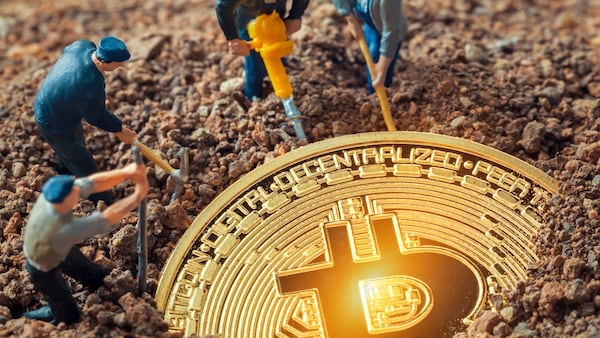
Bhutan started quietly mining Bitcoin in 2019. It then in 2024 announced it held a reserve of the digital coins before in January saying it would hold other cryptocurrencies on its balance sheet, too.
Race against El Salvador?
Bhutan is following in the footsteps of El Salvador. The country made Bitcoin legal tender in 2021 and has continued to put the asset in its state coffers, with Salvadoran president Nayib Bukele claiming that the nation was buying one Bitcoin a day.
The country has Bitcoin worth more than $657 million, Arkham Intelligence data shows.
El Salvador also announced plans in 2021 for a smart city dubbed “Bitcoin City” — a tax-free economic hub aimed at attracting the nomadic wealthy and tech entrepreneurs, funded via Bitcoin-backed tokenised bonds.
But little has come out since from the Salvadoran government about the Bitcoin-backed project.
President Bukele has insisted that the country is pushing ahead with projects aimed at making the country a centre of innovation.
Akon City
Both projects came on the back of Senegal planning on creating a crypto utopia together with artist Akon.
The “Smack that” singer first announced the project back in 2018 and said that the city would be powered by Akon’s own cryptocurrency, Akoin.
Senegal’s government officially abandoned the $6 billion project in July 2025, the BBC reported.
Back to Bhutan
Gelephu Mindfulness City’s announcement said that the project would be “a new economic hub in southern Bhutan designed around mindfulness, sustainability, and innovation.”
Inés Verna, an Amsterdam-based architect and urban designer researching the urban implications of blockchain-based projects, told DL News that while the projects sound similar to El Salvador’s, Bhutan’s plans appear to be using Bitcoin as “a financial layer” rather than as “the city’s defining identity” — like the Salvadoran government’s plans.
“GMC also appears less dependent on short-term political validation, which allows the initiative to be communicated in longer-term, phased terms rather than as an immediate proof of success,” she added.
It’s worth noting that a similar project to GMC has fallen through in the past: “Education City”, a large higher‑education hub, was scrapped in 2014 after concerns about conflicts of interest were raised.
Crypto-based projects are deemed risky from the outset, Verna said.
“A point of caution is that anchoring public development to a crypto-backed balance sheet can still introduce exposure to price volatility, governance and transparency questions around how reserves are managed, and reputational risk if the financing mechanism becomes more prominent than the project’s stated social and ecological aims,” noted Verna.
Could Bhutan’s latest plans be a utopian pipe dream?
Mathew Di Salvo is a news correspondent with DL News. Got a tip? Email at mdisalvo@dlnews.com.