
- A drug trafficker imported fentanyl and other drugs into the US from China.
- He bought the drugs using Bitcoin.
- The criminal was sentenced to 12 years in prison last week.
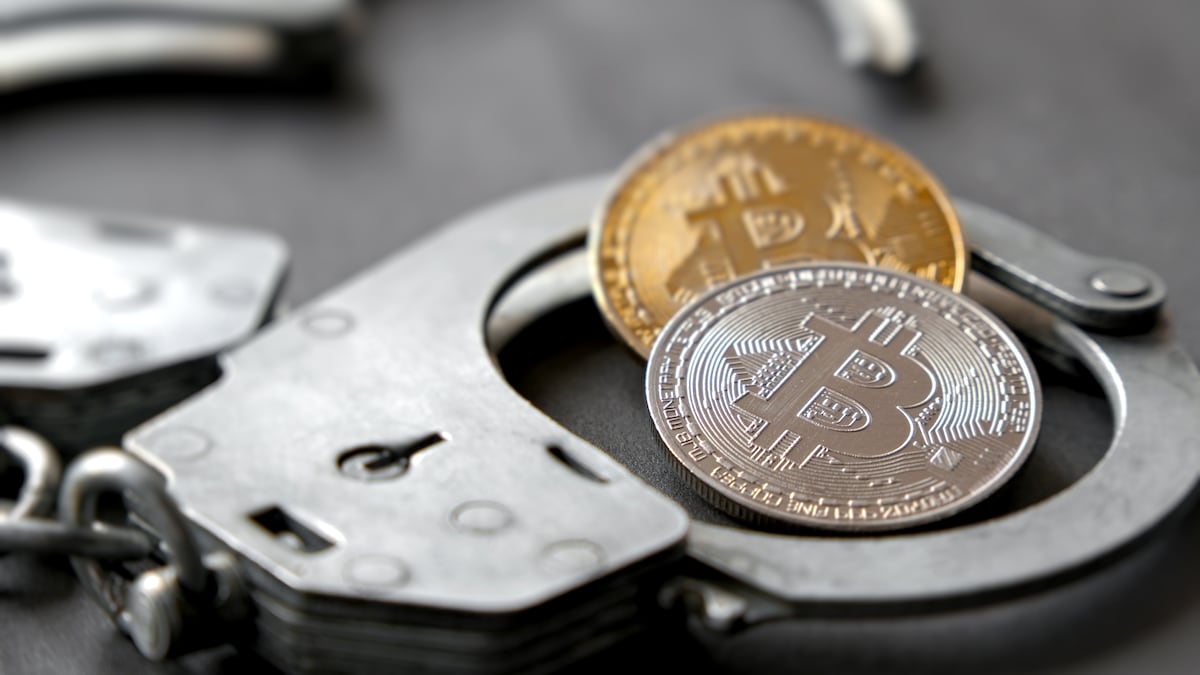
A drug trafficker used Bitcoin to buy fentanyl from China and import it into the US, according to federal prosecutors.
William Panzera, 51, was sentenced to 12 years in prison this week after being convicted last year on charges of drug trafficking conspiracy and international promotional money laundering conspiracy.
Court documents and a statement from the US Department of Justice show that from 2014 to 2020, Panzera paid hundreds of thousands of dollars in wire transfers and crypto — specifically Bitcoin — to import the drugs.
“In total, they imported over a metric ton of fentanyl-related substances and other drugs into the United States,” the Department of Justice said of Panzera and his criminal partners on January 22.
Earlier this month, the US feds charged a Venezuelan man with using crypto to launder money for criminals, including drug traffickers.
Court documents quoted an FBI Special Agent saying the stablecoin USDT on the Tron network is a crypto of choice for crooks wanting to make fast money movements.
A lot of drugs
Feds said that Panzera, of North Haledon, New Jersey, didn’t just import the highly dangerous opioid fentanyl into the US but also fentanyl analogues and party drugs such as MDMA, methylone, and ketamine.
“The conspirators distributed the substances throughout New Jersey in bulk and in the form of counterfeit pharmaceutical pills that actually contained fentanyl analogues,” the DOJ said in an earlier statement after Panzera was convicted last year.
Eight other defendants pleaded guilty in the case.
Why choose Bitcoin?
Why, then, did Panzera rely on the largest and oldest cryptocurrency network to pay for the drugs, even as other cryptocurrencies have become the preferred tools of criminal groups?
Top privacy coin Monero has in the past been used by drug traffickers and other criminals to launder funds, and hackers have used assets like stablecoins to quickly move funds.
Bitcoin, a highly transparent payment method, has been dropped by criminals seeking to cover their tracks. Authorities in the past have even caught criminals who have used Bitcoin’s blockchain: Last year, an undercover FBI agent tricked a cybercriminal into using Bitcoin over Monero, leading to his arrest.
But Panzera’s preferred crypto of choice is likely down to when he got involved in crime — over a decade ago. More convenient digital assets such as Tether’s USDT debuted the year Panzera started his crimes and took years to reach the huge trading volume they have now.
Using Monero is also harder for criminals than before, Ari Redbord, global head of policy for TRM Labs, told DL News, as regulators and exchanges crack down on the coin.
“Monero is used, but it’s difficult to acquire and cash out at scale, with limited liquidity and many major exchanges having delisted it, which makes it impractical for large trafficking networks,” he said.
Another popular choice, Redbord said, is Tether’s dollar stablecoin USDT on the TRON blockchain.
“Traffickers often prefer stablecoins like USDT on TRON because they are fast, cheap, widely accessible, and easy to move and convert across borders,” he told DL News.
But unlike Monero, USDT is a centralised stablecoin, meaning the assets can be frozen by the company that issues it.
Tether in recent years has strengthened its ties to law enforcement; in 2023 it started freezing wallets connected with sanctioned entities on the Office of Foreign Assets Control Specially Designated Nationals List.
It has also worked with crypto exchanges and law enforcement to freeze stolen tokens tied to pig butchering scams.
Tron, too, has worked with blockchain forensic firms and police to identify and blacklist wallets associated with criminals.
Mathew Di Salvo is a news correspondent with DL News. Got a tip? Email at mdisalvo@dlnews.com.