
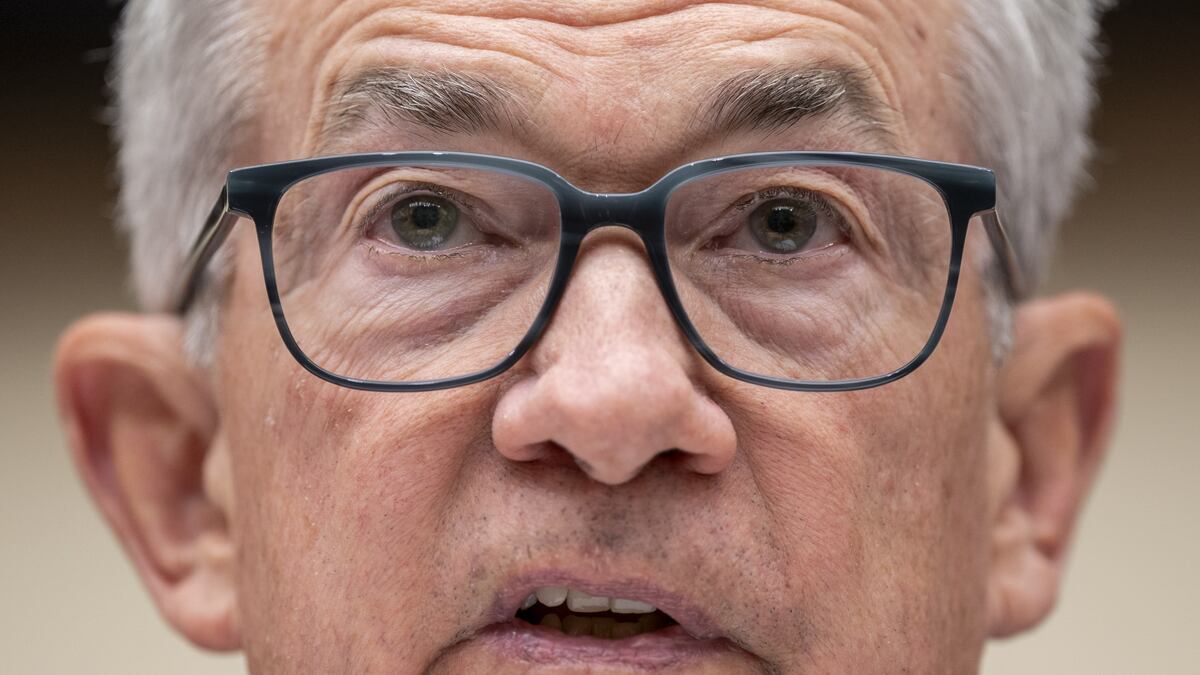
- Jerome Powell described the criminal investigation as politically motivated.
- Bitcoin jumped 1% on the news.
- Analysts suggest it's a terrific opportunity for Bitcoin to prove its non-sovereign status.
A version of this story appeared in The Guidance newsletter on January 12. Sign up here.
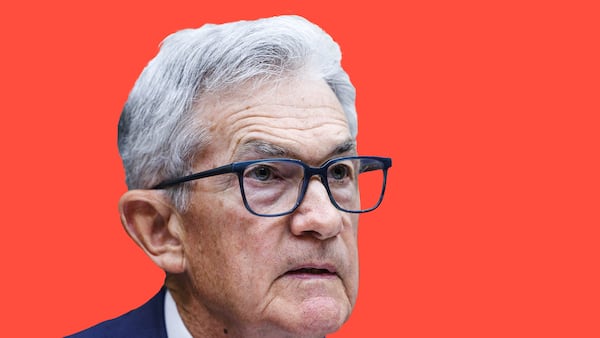
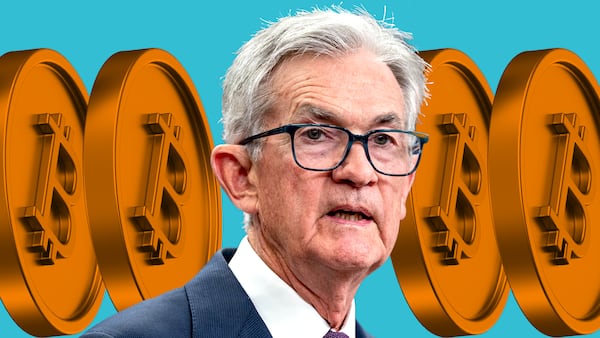
Jerome Powell, the chair of the Federal Reserve, announced on Sunday that the Department of Justice opened a criminal investigation into the central bank’s activities over renovations.
Powell added that the DOJ went as far as threatening him with a criminal indictment — and according to the 72-year-old, it’s got little to do with sprucing up the bank’s headquarters.
After all, he and US President Donald Trump have sparred throughout the year. Trump — who appointed Powell back in 2017 — has challenged Powell on several occasions over his assessment of the American economy and criticised him for failing to lower rates fast enough.
The subpoenas, however, are a serious escalation of the duel.
“The threat of criminal charges is a consequence of the Federal Reserve setting interest rates based on our best assessment of what will serve the public, rather than following the preferences of the president,” Powell said.
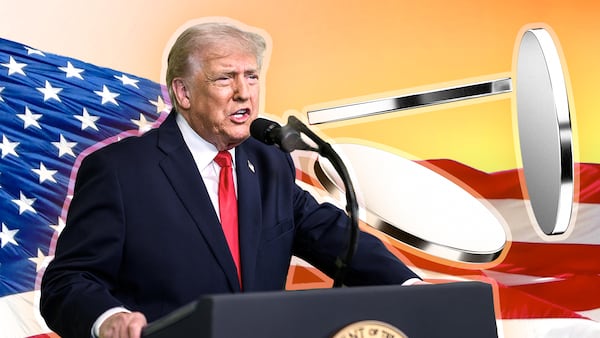
As for Trump, he apparently had no idea why the DOJ ramped up its investigation into the Fed and Powell.
“I don’t know anything about it,” Trump told NBC News on Monday. “He’s certainly not very good at the Fed, and he’s not good at building buildings.”
Initially, markets hardly budged.
In fact, Bitcoin, an asset that has historically traded more like a tech stock than digital gold, is up 1% today.
But experts forecast darker clouds should the Trump administration continue to encroach on the Federal Reserve’s independence.
“If things take a stronger turn for the worse, there could be a moment in which most assets get sold off,” Luke Nolan, senior research associate at CoinShares, told DL News.
There’s plenty of historical precedent for this sort of political interference.
Ahead of the 1972 election, Republican President Richard Nixon pressured the then-chair of the central bank, Arthur Burns, to print more dollars and keep interest rates low.
The result was rampant inflation during the 1970s, culminating in a recession in the early 1980s.
In Turkey, President Recep Tayyip Erdogan fired several central bank governors between 2018 and 2022 for keeping interest rates high even as inflation crept up.
The national currency, the Lira, was decimated, and inflation hit 80% in 2022.
But as a non-sovereign asset, or one that can’t be controlled by any state, Nolan also suggests that this moment is another great test for Bitcoin.
“Time will tell if this will hold true,” he said. “Should Bitcoin outperform through this narrative, it will certainly bolster the case that bitcoin can act as a flight to safety in light of geopolitical instability.”
Liam Kelly is DL News’ Berlin-based DeFi correspondent, and Eric Johansson is DL News‘ managing editor. Have a tip? Get in touch at liam@dlnews.com and eric@dlnews.com.