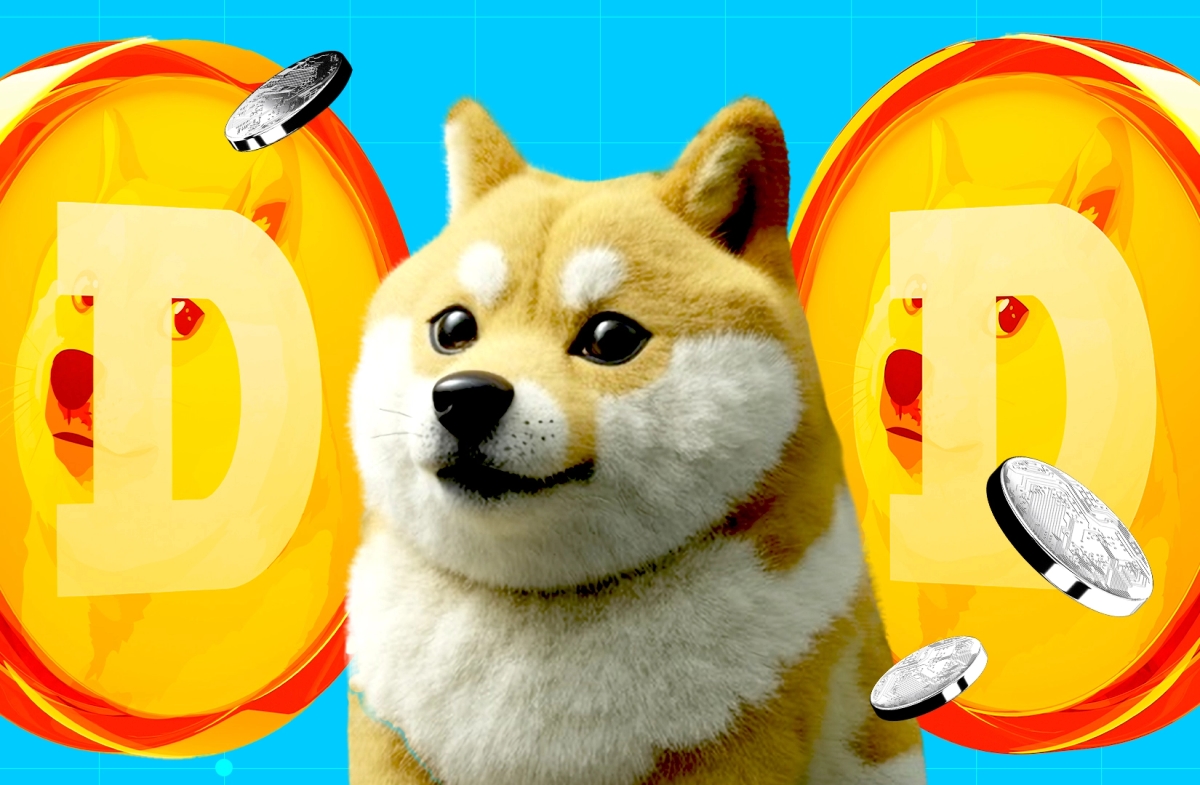
- The sector jumped to $34 billion market value in April.
- But analysts warn gains are concentrated in a few tokens.
- Still, there are signs of optimism.
Memecoins have rallied nearly 20% in the past month to a market value of $34 billion, CoinMarketCap data shows.
But market experts warn that fireworks may be premature as memecoins remain down about 75% from their December 2024 peak of almost $140 billion.
“The rise in the memecoin sector appears driven by a mix of improving risk sentiment, rising onchain speculation, and sharp gains in a handful of outsized tokens,” Illia Otychenko, lead analyst at CEX.IO, told DL News.
But the rally may “overstate the sector’s health”, he warned, citing the fact that much of the category’s growth has come from a few fast-rising assets that distort the real picture.
The surge comes as the overall crypto market has swelled by nearly $300 billion, a 15% rise, in April, lifting sentiment across digital assets.
What are memecoins?
Memecoins are joke tokens that trade purely on speculation and have no intrinsic value. They’re usually based on celebrities, online jokes, and odd news items, such as Peanut, the squirrel, that became a MAGA symbol ahead of the 2024 US election.
Dogecoin, the top memecoin by market value and trading volume, is down 87% from its 2021 high. Most tokens categorised as memecoins by CoinMarketCap are down over the past week.
Memecoins in the top 10 by market value posting double-digit gains this week include MemeCore, Pudgy Penguins, and SPX6900.
Memecoin bonanza interrupted
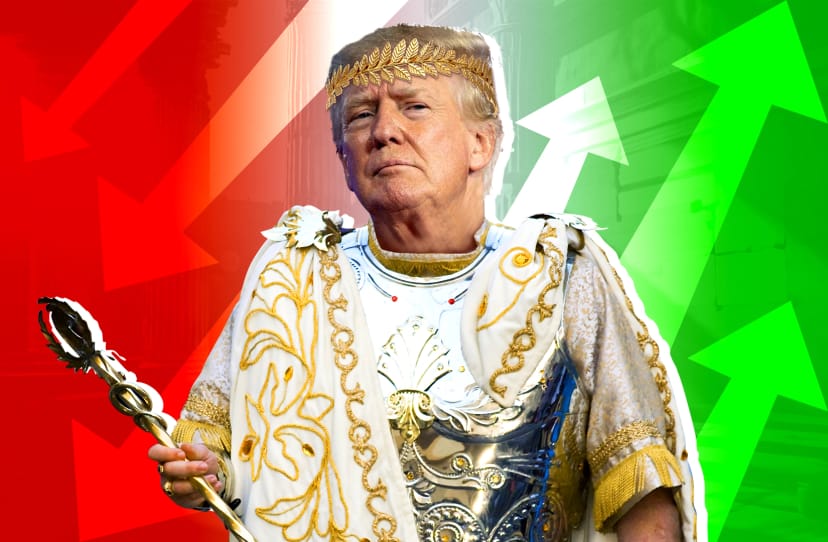
The slight recovery remains a far cry from the memecoin bonanza that erupted in the wake of Donald Trump’s presidential victory.
In the months following his election win, memecoins rallied as a flurry of new tokens were launched. The US president and his wife both launched memecoins, as did the pastor who delivered a passionate benediction at Trump’s inauguration as America’s 47th president.
However, after a string of scandals in early 2025, the memecoin market lost momentum. Despite a few flurries of activity over the past year, the overall value of the memecoin market has continued to slide.
Markets cautious
If macroeconomic sentiment and decentralised trading activity remain supportive, memecoins could keep relative strength, Otychenko said.
“But if gains stay concentrated or speculative appetite fades, parts of the sector could face sharp reversals,” he said.
His cautious sentiment is shared by Charles Chong, vice president of strategy at BlockSpaceForce, who told DL News that the spike reflects a tired pattern rather than fresh conviction.
“What you're seeing isn't bullish community energy,” he said. “It's a dead market full of sidelined gamblers desperate for the next game of musical chairs.”
“The problem is, each time the game is played, the music stops faster.”
Recovery signs?
While experts’ sentiment remains muted, there are some seeds of optimism.
In March, the Securities and Exchange Commission, joined by the Commodity Futures Trading Commission, issued an interpretation laying out a five-part token taxonomy: digital commodities, collectibles, tools, stablecoins and securities. Memecoins fall under collectibles.
That framework provides clearer lines between digital assets used for access, fundraising or pure speculation. It also signals that regulators are building the tools to handle blurred boundaries in the market.
At the same time, new exchange-traded fund filings are bringing memecoins closer to Wall Street.
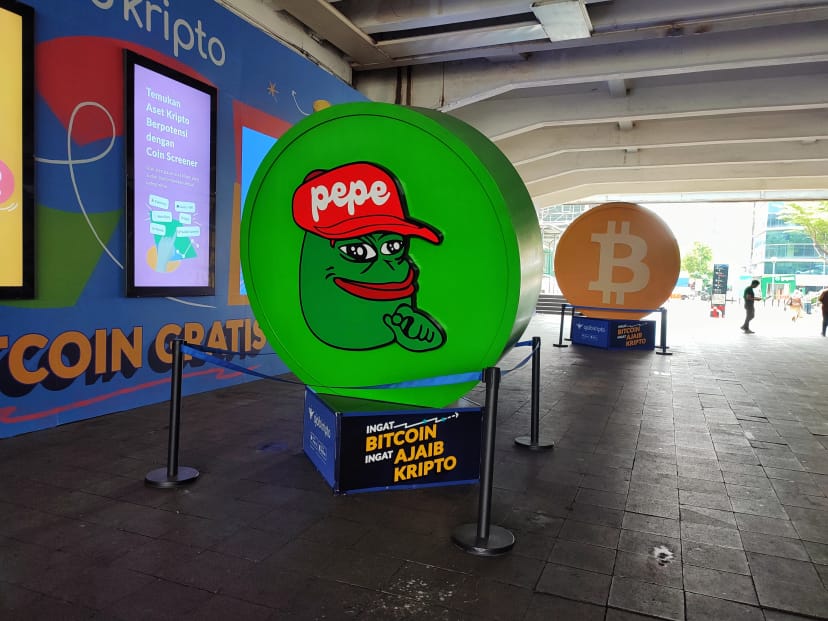
Earlier in April, Canary Capital — known for its blockbuster XRP ETF launch back in November — filed with the SEC for a Pepe memecoin ETF.
The frog-themed token is more obscure than Bitcoin or Ethereum, yet it has drawn interest from both retail and institutional investors.
Institutional investors may use a Pepe ETF to capture volatility rather than hold it long term, Laurens Fraussen, research analyst at Kaiko, told DL News earlier in April.
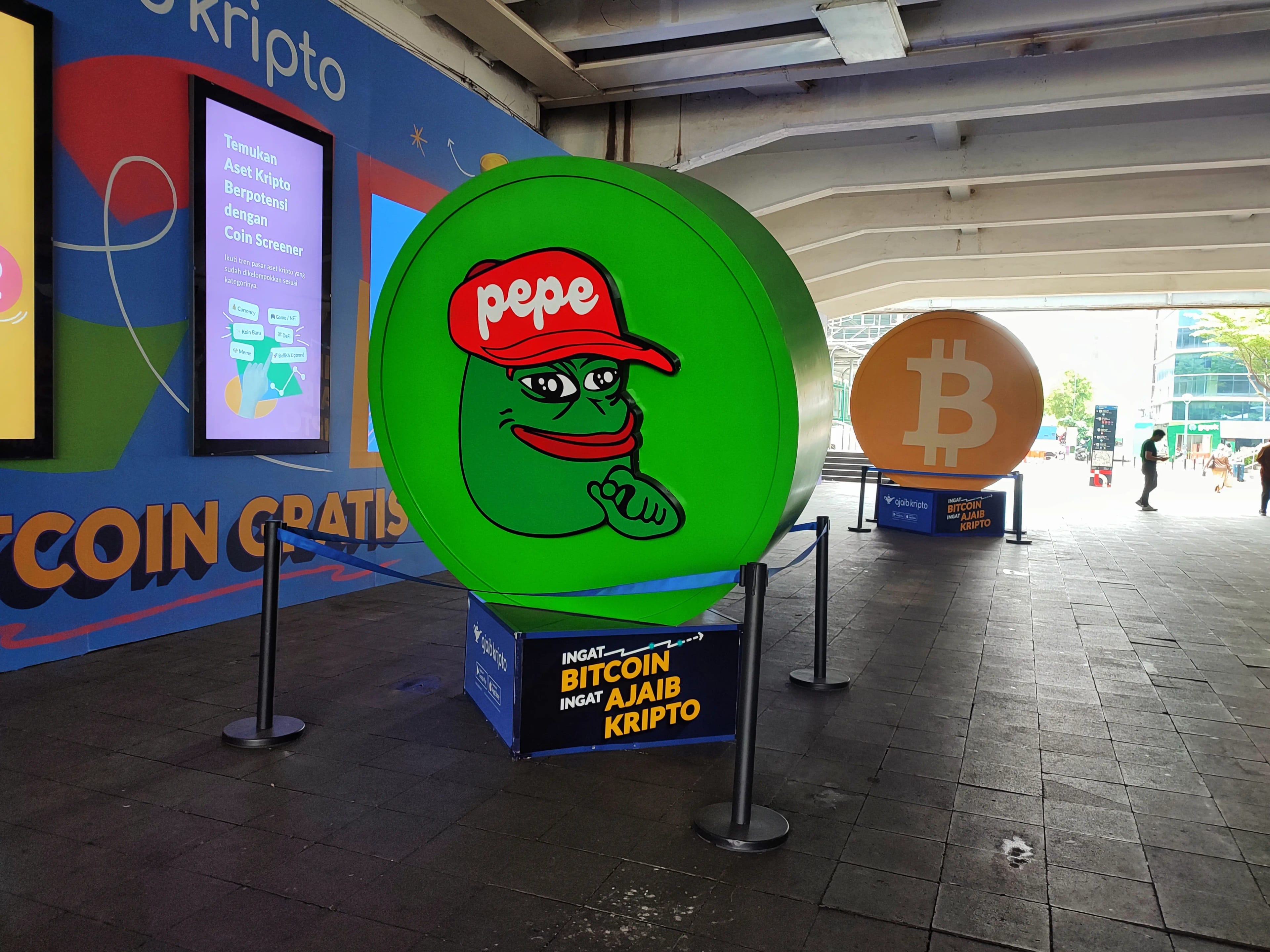
Since its 2023 launch, Pepe has delivered repeated large price swings and often trades in step with the broader market, but with higher volatility, according to CoinGecko.
Carlos Guzman, research analyst at GSR, told DL News earlier in April that speculative investors remain the more natural buyers for memecoin ETFs. Yet ETFs broaden access by allowing exposure through regular brokerage accounts, expanding the potential audience.
“The more natural buyer is a speculative investor who wants memecoin exposure through a regular brokerage account,” Guzman said.
Memecoins such as Dogecoin already have multiple spot ETFs from issuers including 21Shares, REX-Osprey, Grayscale and Bitwise. Canary has also filed for ETFs tied to TRUMP and Mog Coin.
Lance Datskoluo is DL News’ Europe-based markets correspondent. Got a tip? Email him at lance@dlnews.com.