- World Liberty Financial has proposed unlocking most of its tokens over the next five years.
- Holders who don’t accept the schedule would have their tokens locked indefinitely.
- Crypto mogul Justin Sun called the proposal an “absurd governance scam.”
Executives at World Liberty Financial have proposed unlocking 62 billion WLFI over the next five years, giving those who bought the tokens from the Trump family-backed crypto company the chance to cash more of them out.
One of those buyers isn’t happy.
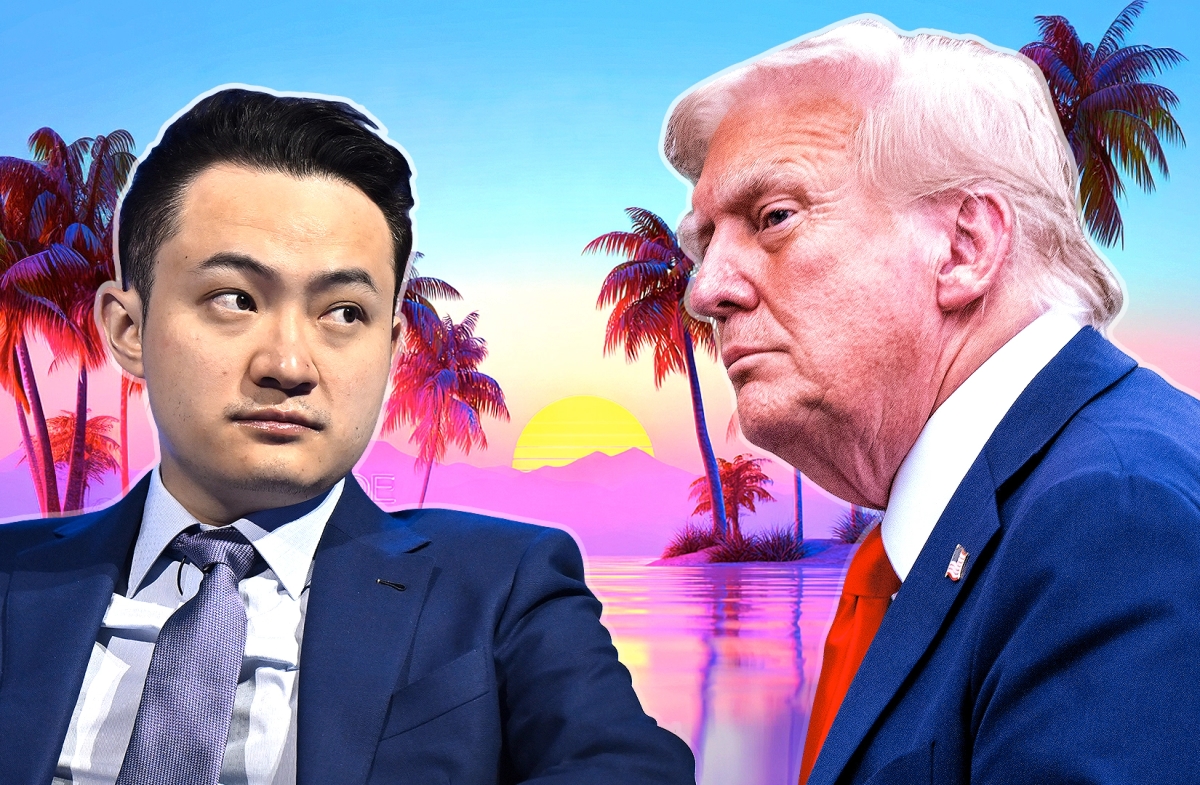
Crypto billionaire Justin Sun continued his scorched-earth campaign against World Liberty Financial on Wednesday, calling the proposal “one of the most absurd governance scams I have ever seen.”
The majority of World Liberty Financial tokens have been locked since the company first sold them to supporters in late 2024.
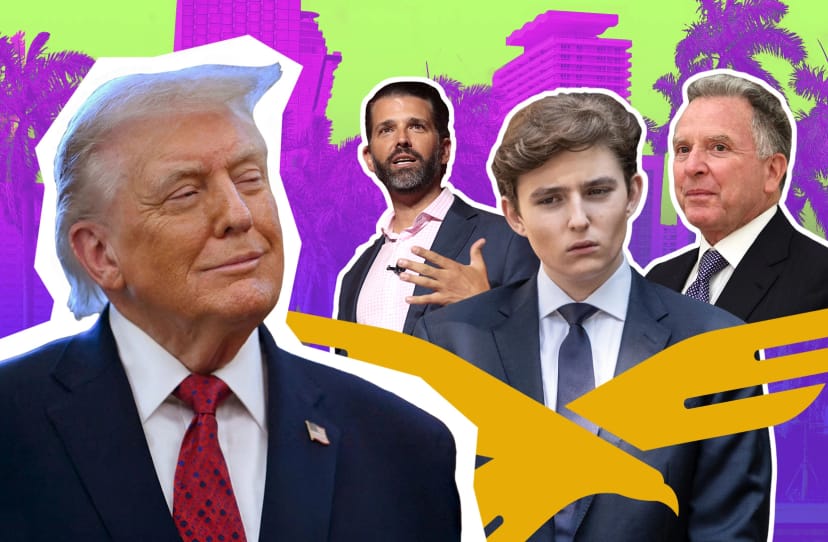
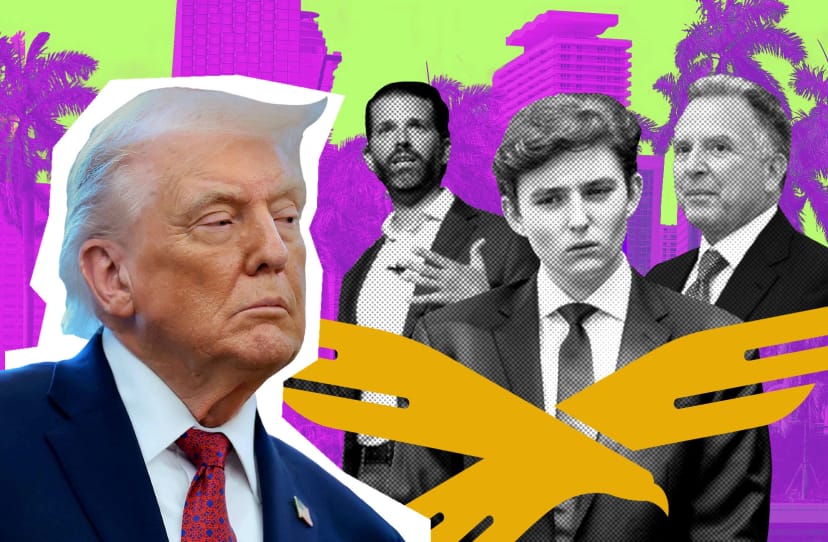
Wednesday’s proposal would unlock 62 billion tokens, valued at about $5 billion. But 72% of those tokens belong to insiders, a group that includes company executives, employees, adviseors, and founders, including US President Donald Trump and his sons Don Jr, Eric, and Barron.
The other 27% belong to those who purchased the token during public sales in 2024 and 2025.
That could create enormous selling pressure for a token that is already hovering near all-time lows.
Worse yet, token buyers have little say in the outcome, according to Sun.
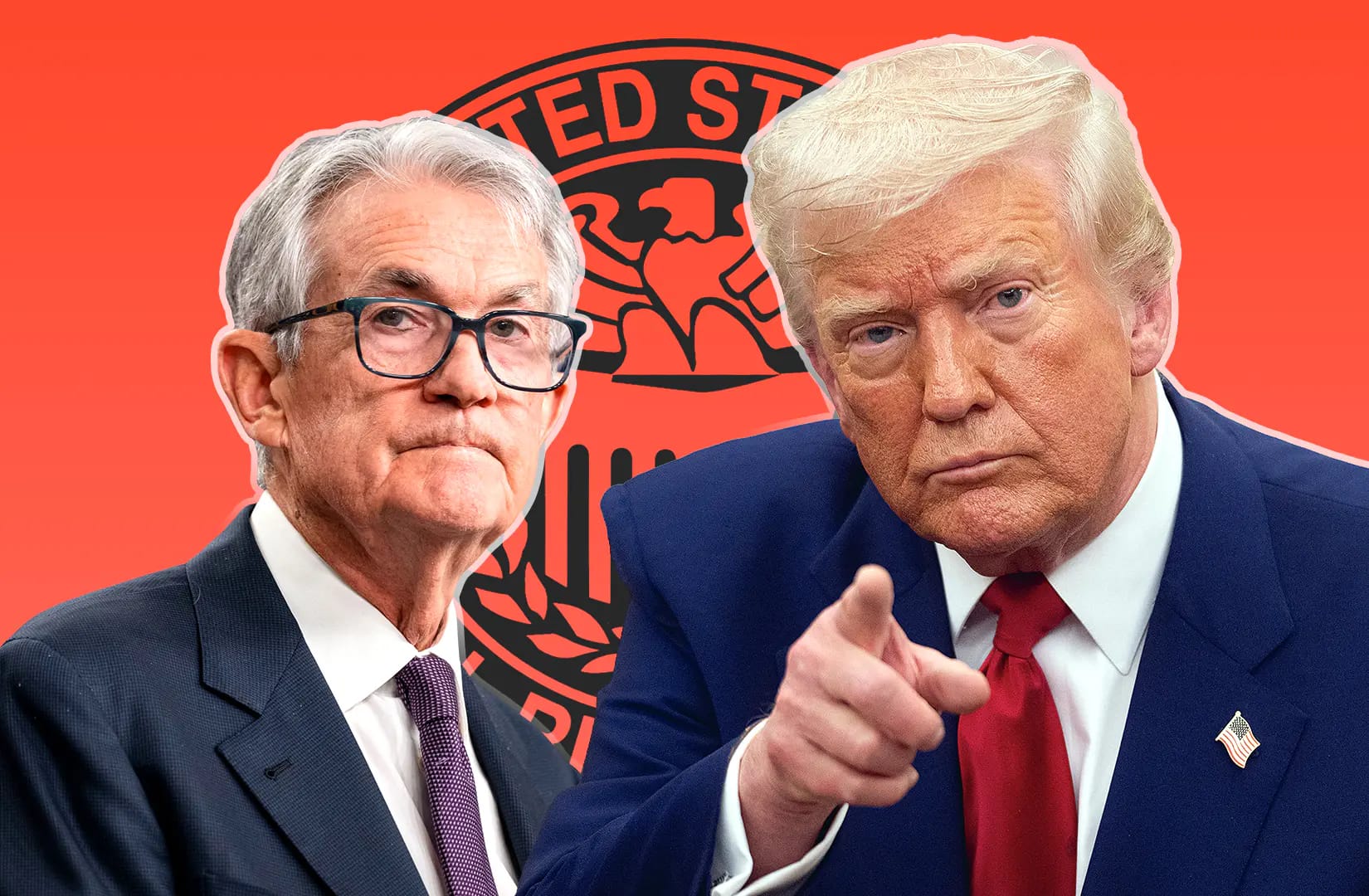
Proposal
Should the proposal pass, it would immediately “burn” 10% of the 45.2 billion tokens that belong to insiders. The remaining 90% would unlock over a period of three years that begins in 2028 — just as Trump’s second and final term in the White House comes to an end.
“The voluntary burn of up to 4,523,858,565 WLFI is a permanent, onchain signal of the conviction of the founders, team members, advisers, and partners who helped build this protocol,” the proposal reads.
"These tokens will not be recoverable under any future governance action. This is their public, onchain commitment to every token holder in this community.”
The other 17 billion, purchased by the public in 2024 and 2025, would unlock over a period of just two years beginning in 2028. They would not be subject to the same 10% burn facing insiders’ tokens.
“Holders who do not affirmatively accept the new schedule remain locked indefinitely under existing terms,” the proposal reads. If the proposal passes, tokenholders will be able to accept the schedule during a 10-day “acceptance window.”
Sun called this “coercion.”
“This is not a legitimate voting exercise, not even close,” he wrote on X.
Controversies
Sun, one of the earliest and largest buyers of World Liberty Financial's token, first attacked the venture on Sunday. He said its executives implanted backdoor controls over user assets, froze tokens without disclosure or due process, and treated the crypto community like a “personal ATM.”
World Liberty Financial said the crypto mogul was making “baseless allegations to cover up his own misconduct” and threatened a lawsuit.
“See you in court pal,” World Liberty Financial wrote on X. “We have the evidence. We have the truth.”
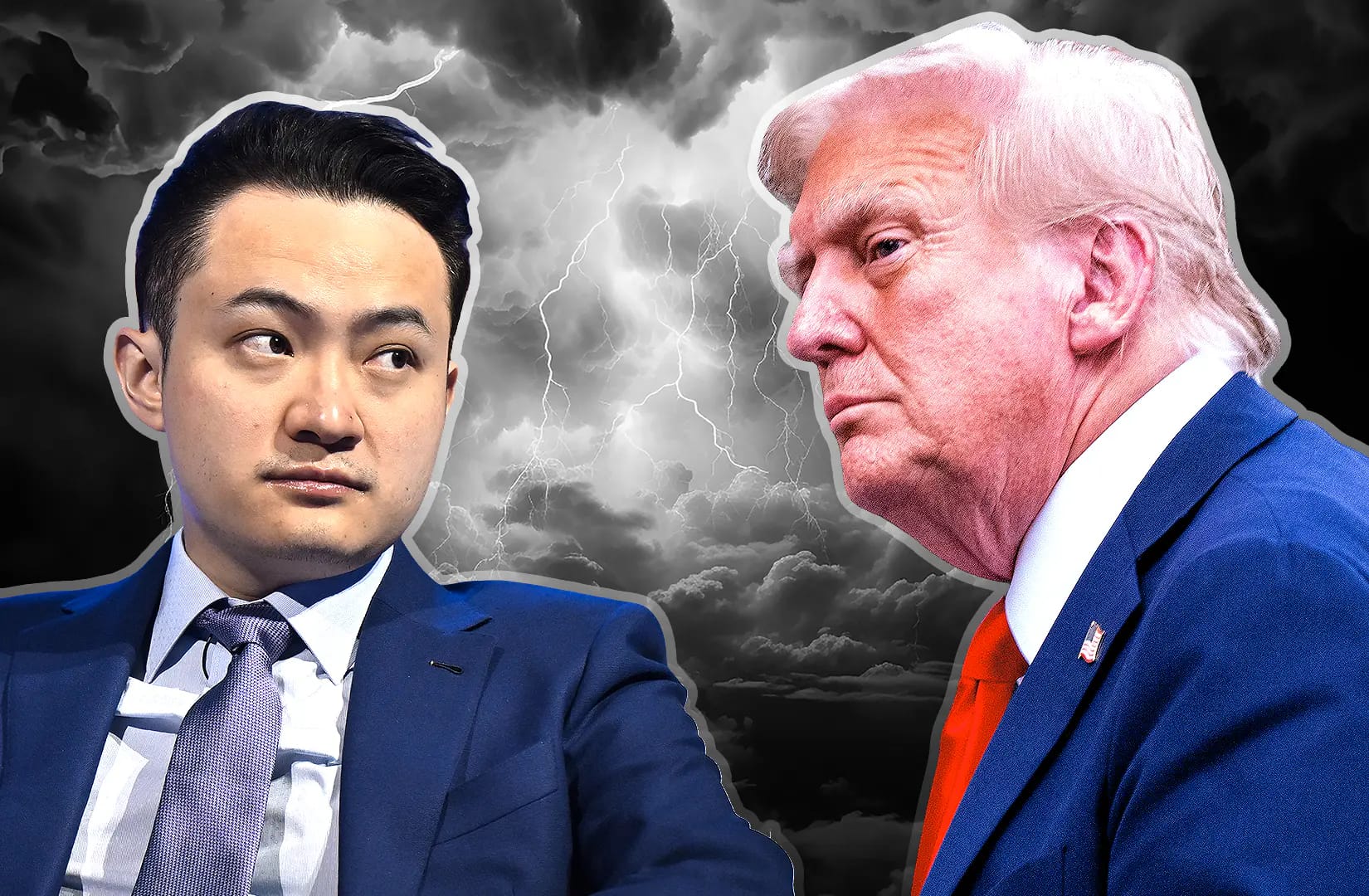
World Liberty Financial has been embroiled in controversy ever since its 2024 launch. Democrats say the venture presents a clear conflict of interest for the first family — Trump has made deregulation of the crypto industry one of his top priorities — and some of its founders have chequered backgrounds.
The White House has repeatedly denied any wrongdoing.
But World Liberty Financial's problems have mounted in recent weeks. In addition to its row with Sun, the project has been criticised for using five billion WLFI as collateral to borrow $75 million in stablecoins.
The project used a protocol called Dolomite, which was founded by Corey Caplan, a World Liberty Financial adviser. The series of transactions left Dolomite vulnerable to a sharp decrease in WLFI’s price and left some USD1 lenders unable to withdraw until World Liberty Financial closes its position, CoinDesk reported.
“World Liberty is proudly the anchor borrower on the platform because our first-party activities generate meaningful yield for stablecoin depositors,” a spokesperson for the project told DL News at the time.
“Since launching in January, there have been zero disruptions to the service, and depositors on WLFI Markets have been able to withdraw funds without interruption. Utilisation on major asset pools including USD1, USDC, and ETH, remains healthy.”
Aleks Gilbert is DL News’ New York-based DeFi correspondent. You can reach him at aleks@dlnews.com.